Can an Induction Melting Furnace Melt Copper, Aluminum, and Steel? A Complete Guide
Can an induction melting furnace really melt copper, aluminum, and steel in one machine? Yes. A modern medium frequency induction melting furnace melts ferrous and non-ferrous metals, and today's coreless induction furnace switches between copper, aluminum, and steel batches with little downtime. This guide explains what an induction smelting furnace handles, why an electric induction melting furnace leads foundries, and how to choose.
What Is an Induction Melting Furnace?
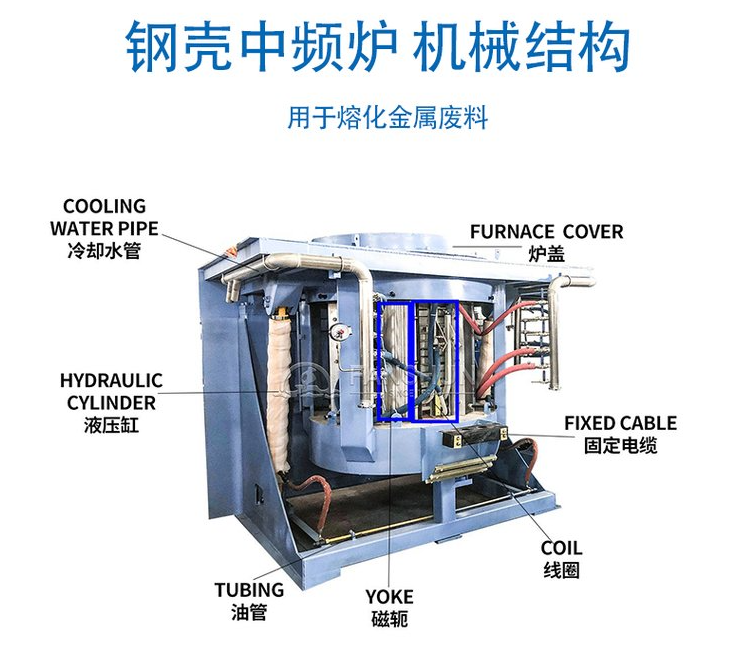
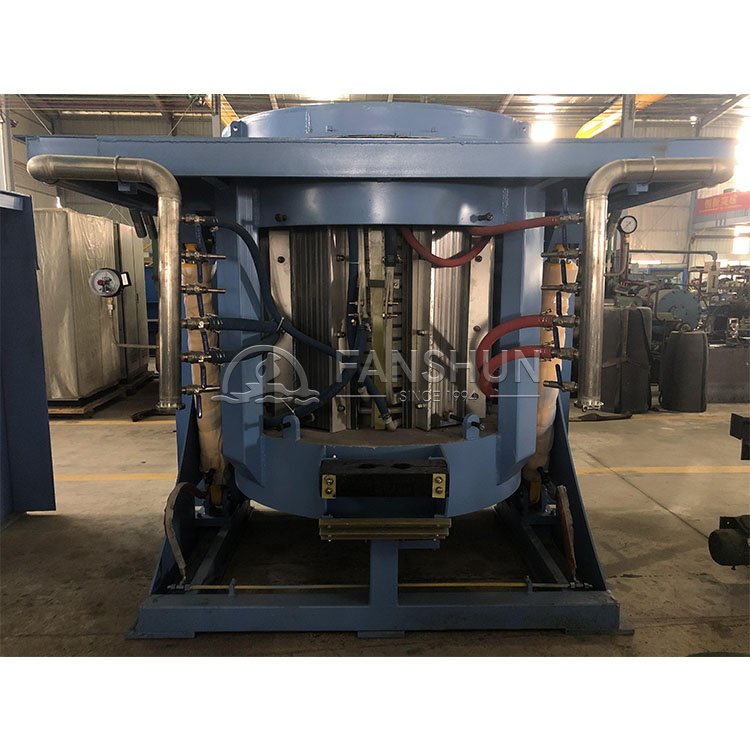
An induction melting furnace melts metal by electromagnetic induction. Inside the coreless induction furnace, a water-cooled coil induces eddy currents in the charge. A medium frequency induction melting furnace runs at 150-2500 Hz, balancing stirring and heating. An electric induction melting furnace reaches tapping faster than flame crucibles. An induction smelting furnace of this type keeps power factor above 0.9.
Nearly every induction melting furnace sold today is a coreless induction furnace. This makes the medium frequency induction melting furnace compact. An electric induction melting furnace is clean. An induction smelting furnace works on the same principle.
Can It Melt Copper?
Copper melts at 1085°C, well within a standard induction melting furnace. A medium frequency induction melting furnace handles copper cathodes and wire scrap. A coreless induction furnace melts brass and bronze with even stirring. The electric induction melting furnace keeps oxygen pickup low. An induction smelting furnace for copper produces clean ingots and rod feedstock.
Foundries producing copper rod rely on the induction melting furnace. A medium frequency induction melting furnace stirs gently. A coreless induction furnace has no flame. The electric induction melting furnace delivers consistent chemistry. An induction smelting furnace serves every copper recycler.
Can It Melt Aluminum?
Aluminum melts near 660°C and is sensitive to gas pickup. An induction melting furnace handles it when power is controlled. A medium frequency induction melting furnace lowers power density to avoid turbulence. A coreless induction furnace lined properly serves die-casting shops. The electric induction melting furnace keeps the bath clean when melting paint-bearing scrap. An induction smelting furnace for aluminum cuts dross to 1-3%.
A medium frequency induction melting furnace holds 500 kg to 10 tons. A coreless induction furnace reduces dross. The electric induction melting furnace suits secondary aluminum. An induction smelting furnace can switch back to copper.
Can It Melt Steel?
Steel melts at 1450-1500°C, the heaviest duty for an induction melting furnace. A rated medium frequency induction melting furnace handles steel and stainless steel daily. The coreless induction furnace for steel uses thicker shells and stronger yokes. The electric induction melting furnace ranges from 500 kg to 20 tons. An induction smelting furnace of this class melts scrap into castings and billets.
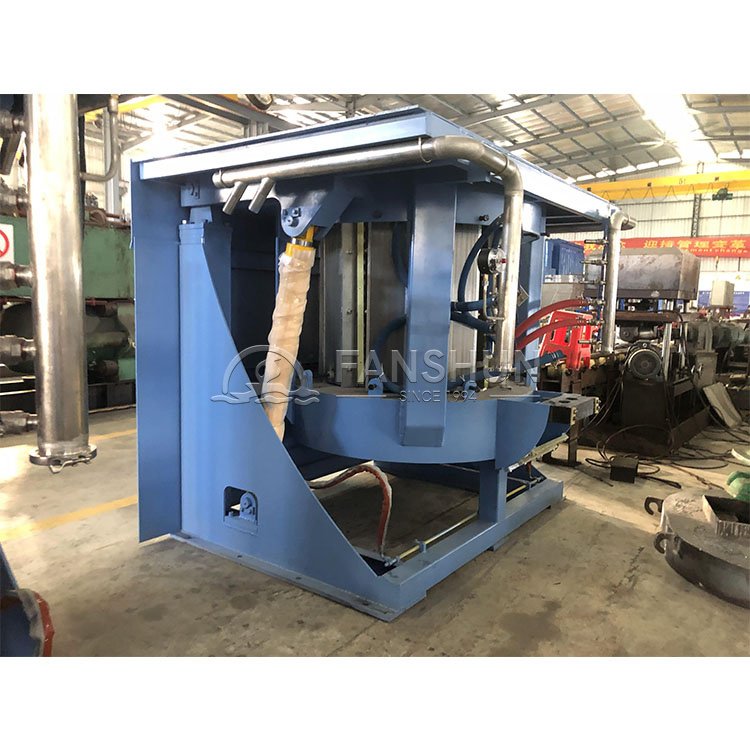
Alloying elements melt fast in the induction melting furnace. A medium frequency induction melting furnace taps in 40-60 minutes. The coreless induction furnace controls gas pickup. The electric induction melting furnace suits high-grade steel. An induction smelting furnace tilts hydraulically.
What Other Metals?
An induction melting furnace also melts cast iron, zinc, nickel alloys, gold, and silver. A small medium frequency induction melting furnace suits jewelry labs. A large coreless induction furnace serves iron foundries. The electric induction melting furnace matches lining to alloy. An induction smelting furnace can run brass after relining.
Frequently Asked Questions
Q: Can one machine really melt copper, aluminum, and steel? A: Yes. A well-sized medium frequency induction melting furnace handles all three. Choose a coreless induction furnace for flexible alloy switching. The electric induction melting furnace runs clean with no flame. An induction smelting furnace from an experienced maker covers all three. A proper medium frequency induction melting furnace needs only a lining change between alloys. The right coreless induction furnace delivers consistent chemistry. The electric induction melting furnace stays efficient at any load. An induction smelting furnace pays back fast on energy.
Q: Is a medium frequency induction melting furnace energy efficient? A: Very. A medium frequency induction melting furnace saves 15-30% versus cupolas. A coreless induction furnace wastes little heat through a stack. The electric induction melting furnace starts and stops without warm-up waste. An induction smelting furnace of this type pays back quickly on power bills. A modern medium frequency induction melting furnace cuts per-ton energy cost. The right coreless induction furnace recovers heat through water cooling. The electric induction melting furnace avoids flue losses. An induction smelting furnace sized correctly lowers operating cost.
Q: What size coreless induction furnace do I need? A: Match the induction melting furnace to your hourly casting output. Pick a medium frequency induction melting furnace with 20-30% headroom. Confirm the coreless induction furnace lining suits your target metal. Specify an electric induction melting furnace with hydraulic tilting. Ask the induction smelting furnace maker for per-ton energy figures. A compact medium frequency induction melting furnace suits jobbing shops. A large coreless induction furnace suits continuous foundries. The electric induction melting furnace scales from 50 kg to 20 tons. An induction smelting furnace manufacturer will size it for you.
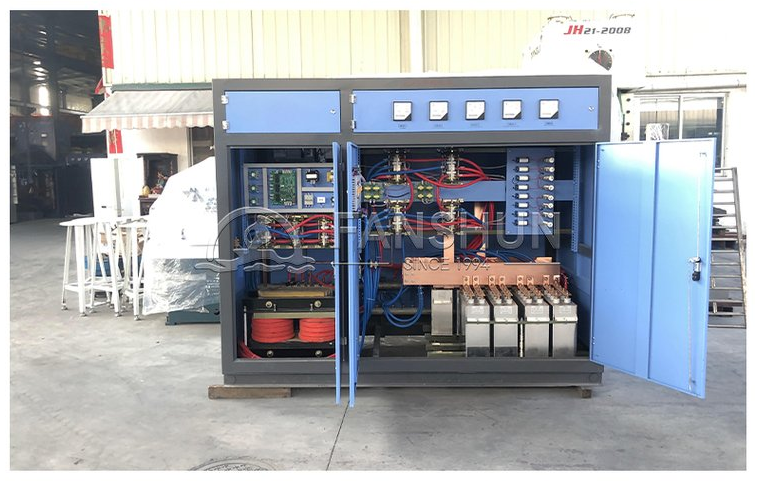
Q: Why is it called an electric induction melting furnace? A: Because the electric induction melting furnace uses only electricity, no fuel. A medium frequency induction melting furnace converts 50 Hz supply to 150-2500 Hz. The coreless induction furnace induces heat directly in the charge. An induction smelting furnace of this type produces no flame gases on the floor. A medium frequency induction melting furnace needs no burner or fuel line. The coreless induction furnace keeps the shop cooler. The electric induction melting furnace meets environmental rules easily. An induction smelting furnace of this type is safer for operators.
Q: Can an induction smelting furnace handle scrap and recycled metal? A: Absolutely. An induction smelting furnace handles scrap, returns, and clippings. A medium frequency induction melting furnace melts copper wire, aluminum chips, and steel scrap. The coreless induction furnace separates clean melt from light dross. The electric induction melting furnace keeps alloy chemistry consistent. A rugged medium frequency induction melting furnace tolerates mixed charge. The coreless induction furnace handles dirty scrap with a good lining. The electric induction melting furnace refines chemistry in minutes. An induction smelting furnace turns scrap into salable ingots.
Q: What is the advantage over old furnaces? A: A modern medium frequency induction melting furnace melts faster and cleaner. The coreless induction furnace tilts fully for clean tapping. The electric induction melting furnace needs no tall stack. An induction smelting furnace of this generation reduces metal loss to 1-3%. A high-power medium frequency induction melting furnace cuts batch time. The coreless induction furnace starts cold every shift. The electric induction melting furnace lowers labor cost. An induction smelting furnace delivers better casting quality.
Conclusion
Can an induction melting furnace melt copper, aluminum, and steel? Yes. One medium frequency induction melting furnace handles all three with the right lining. Whether you pick a compact coreless induction furnace or a large electric induction melting furnace, the result is clean, fast, efficient melting. An induction smelting furnace is the safest investment for a new or upgraded melting line. A medium frequency induction melting furnace saves energy; a coreless induction furnace switches alloys; an electric induction melting furnace stays clean; an induction smelting furnace pays back fast. Every medium frequency induction melting furnace from a qualified maker is a coreless induction furnace; every electric induction melting furnace is an induction smelting furnace built for duty. Choose a medium frequency induction melting furnace, specify a coreless induction furnace, confirm the electric induction melting furnace rating, and order the induction smelting furnace that fits your output. Choose the medium frequency induction melting furnace that fits your tonnage; a coreless induction furnace keeps maintenance simple; the electric induction melting furnace pays back in months; an induction smelting furnace from a trusted maker lasts decades. Order a medium frequency induction melting furnace today; specify a coreless induction furnace shell; confirm the electric induction melting furnace rating; plan the induction smelting furnace layout with your foundry. A medium frequency induction melting furnace for copper, a coreless induction furnace for aluminum, an electric induction melting furnace for steel, an induction smelting furnace for all three. Contact a qualified maker today to size the right induction melting furnace for your workshop.