Horizontal continuous casting vs up-casting for copper busbars: which is better?
In the modern copper processing industry, the choice between a copper busbar horizontal continuous casting system and a copper busbar up-casting machine has become the core decision for manufacturers pursuing stable output, high product quality, and controlled production costs. Both the horizontal continuous casting line for copper busbar and the up-casting production line for copper busbar are mainstream continuous casting equipment for conductive copper products, and both can produce qualified oxygen-free copper busbar for electrical, power distribution, and new energy equipment. However, differences in process logic, structural design, production adaptability, and finished product performance make the two devices suitable for completely different production scenarios. To help copper processing enterprises accurately select equipment, this article comprehensively compares copper busbar horizontal continuous casting andcopper busbar up-casting machine in terms of process principles, product quality, production efficiency, operation cost, and application scope, and analyzes the practical value of horizontal continuous casting line for copper busbar andup-casting production line for copper busbar in mass production of high-standard oxygen-free copper busbar.
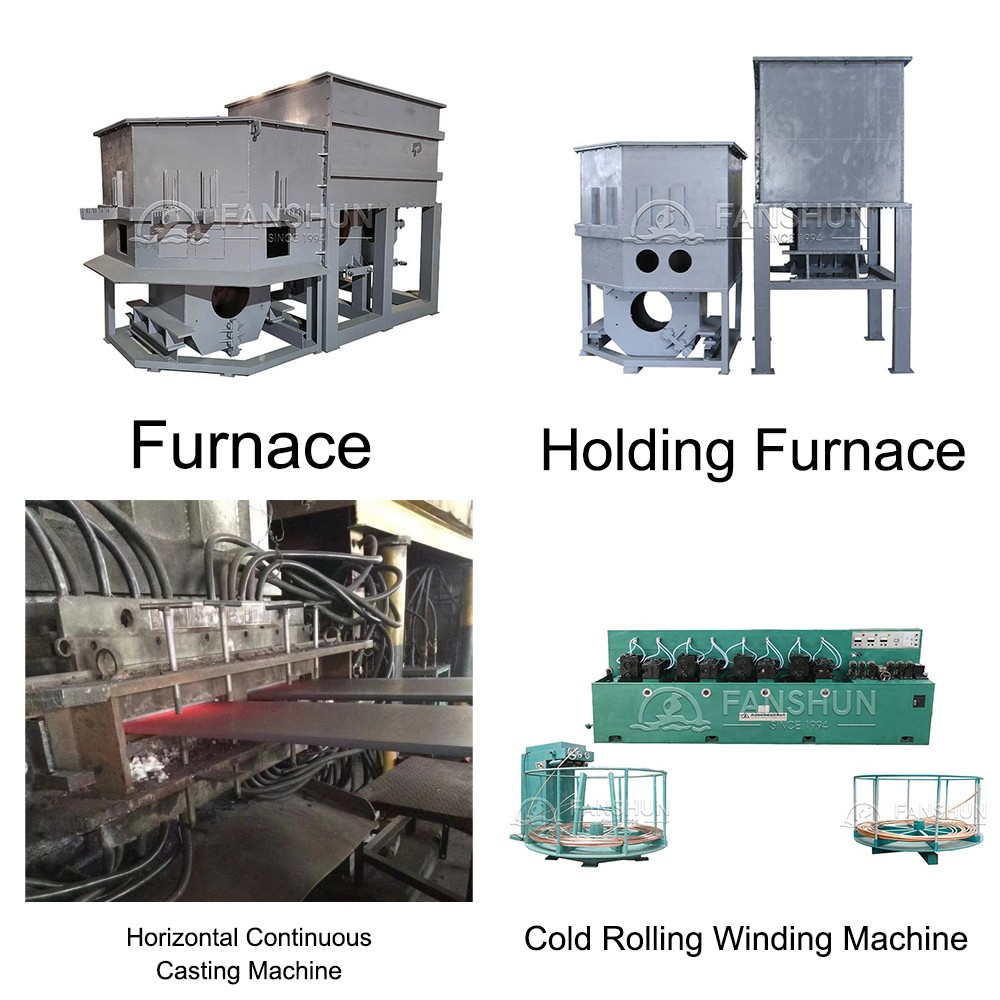
First, it is essential to clarify the basic working principles ofcopper busbar horizontal continuous casting and copper busbar up-casting machine. The horizontal continuous casting line for copper busbar adopts a horizontal layout structure, where molten copper liquid flows steadily into a water-cooled graphite crystallizer under horizontal traction. The horizontal continuous casting line for copper busbar realizes continuous solidification and uninterrupted discharging through precise cooling circulation and synchronous traction control. The entire production process of the horizontal continuous casting line for copper busbar is flat and stable, with no vertical height difference in material conveying, which greatly reduces the risk of copper liquid splashing and oxidation. In contrast, thecopper busbar up-casting machine relies on vertical upward traction. The molten copper liquid in the holding furnace is adsorbed upward into the crystallizer by the traction device of the copper busbar up-casting machine, and solidifies gradually from top to bottom. The up-casting production line for copper busbar follows the traditional upward casting process, featuring simple structure and low initial installation threshold, and has long been used in the batch production of conventional oxygen-free copper busbar.
In terms of product quality stability, copper busbar horizontal continuous casting shows outstanding advantages in producing high-precisionoxygen-free copper busbar. The uniform cooling system of the horizontal continuous casting line for copper busbar ensures consistent solidification speed of copper liquid in all directions, effectively eliminating internal pores, inclusions, and uneven grain structures that often appear in casting products. Each batch of oxygen-free copper busbar produced by copper busbar horizontal continuous casting has stable oxygen content, uniform conductivity, and flat surface finish, fully meeting the strict standards of high-voltage electrical equipment and new energy power systems. The horizontal continuous casting line for copper busbar can flexibly adjust casting parameters according to different specifications of copper busbars, realizing one-key switching of busbar thickness and width, and the dimensional tolerance of finished products is controlled within an extremely small range. For manufacturers focusing on high-end market orders, the high-quality output capacity of copper busbar horizontal continuous casting is irreplaceable.
The copper busbar up-casting machine and its matched up-casting production line for copper busbar also have unique quality advantages in specific scenarios. The slow and balanced solidification mode of the up-casting production line for copper busbar makes the internal grain structure of the cast oxygen-free copper busbar more compact, with low internal stress and excellent ductility. Thecopper busbar up-casting machine has low requirements for raw material purity, and can stably produce qualified oxygen-free copper busbar by using recycled copper and scrap copper after melting and purification. This feature makes the up-casting production line for copper busbar more adaptable for small and medium-sized processing plants that focus on cost control and conventional low and medium-end copper busbar orders. However, compared with copper busbar horizontal continuous casting, the copper busbar up-casting machine is slightly insufficient in dimensional accuracy consistency, and the surface flatness of long-length copper busbars needs subsequent secondary finishing.
Production efficiency and operational cost are key factors affecting equipment selection, and there are obvious differences between copper busbar horizontal continuous casting and copper busbar up-casting machine. The automated integration degree of the horizontal continuous casting line for copper busbar is extremely high. The entire process from molten copper feeding, cooling solidification, traction forming to fixed-length cutting is completed automatically by the horizontal continuous casting line for copper busbar, with minimal manual intervention. The hourly output of the horizontal continuous casting line for copper busbar is far higher than that of traditional equipment, and it can realize 24-hour uninterrupted continuous production of oxygen-free copper busbar. Although the one-time investment of copper busbar horizontal continuous casting is higher, its low labor cost, low failure rate, and high yield greatly reduce the comprehensive production cost of each ton of oxygen-free copper busbar in the long run.
Thecopper busbar up-casting machine and up-casting production line for copper busbar have lower early investment and simpler installation and debugging processes. The daily maintenance of the copper busbar up-casting machine is convenient, and the wearing parts are low-cost and easy to replace. For newly built small copper processing factories, theup-casting production line for copper busbar can quickly put into production and realize rapid capital recovery. Nevertheless, the copper busbar up-casting machine has limitations in production speed and continuous working stability. Long-term high-load operation will lead to fluctuating product quality of oxygen-free copper busbar, and the yield is slightly lower than that of copper busbar horizontal continuous casting. In large-scale mass production scenarios, the comprehensive efficiency of the up-casting production line for copper busbar is obviously inferior to the horizontal continuous casting line for copper busbar.
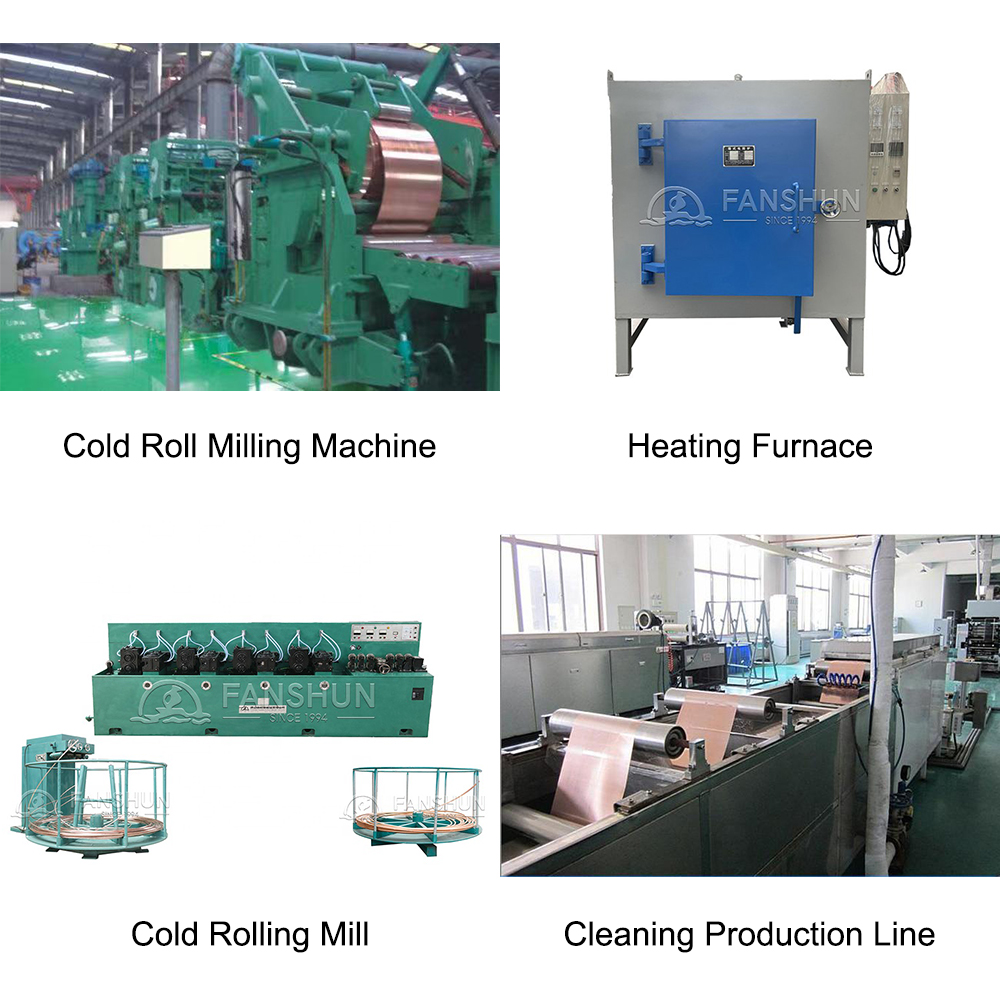
In terms of product diversity and scene adaptability, copper busbar horizontal continuous casting has a wider coverage. The horizontal continuous casting line for copper busbar can produce not only conventional flat oxygen-free copper busbar but also special-shaped copper busbars, thickened copper busbars, and wide-width conductive copper busbars required for industrial power distribution. The horizontal structural design of the horizontal continuous casting line for copper busbar is convenient for docking with subsequent rolling, stretching, and surface treatment equipment, forming a fully automated one-stop production line for copper busbars. The oxygen-free copper busbar produced by copper busbar horizontal continuous casting is widely used in new energy vehicles, photovoltaic power generation, high-speed rail transportation, and intelligent power grid equipment, with high market matching degree and high product added value.
The application scenarios of thecopper busbar up-casting machine and up-casting production line for copper busbar are more concentrated in conventional civil power distribution, low-voltage electrical appliances, and ordinary conductive equipment. The copper busbar up-casting machine is more suitable for producing standard-size conventional oxygen-free copper busbar, with single product specification flexibility. Although the process of the up-casting production line for copper busbar is mature and stable, it cannot meet the customized production demand of special high-precision copper busbars. Therefore, in the high-end precision copper busbar market, the market share of copper busbar horizontal continuous casting is increasing year by year, while the up-casting production line for copper busbar mainly occupies the middle and low-end conventional market.
In terms of product purity and conductivity performance, both processes can produce qualified oxygen-free copper busbar, but there are subtle differences in core indicators. The closed horizontal casting environment of copper busbar horizontal continuous casting effectively isolates air oxidation, making the oxygen content of oxygen-free copper busbar lower and more stable, and the conductivity can reach the industry's top standard. The open vertical casting environment of the copper busbar up-casting machine will produce slight oxidation in individual links, resulting in minor fluctuations in the conductivity of finished oxygen-free copper busbar. For ordinary engineering applications, the products of the up-casting production line for copper busbar can fully meet the standards, but for high-precision and high-reliability industrial scenarios, copper busbar horizontal continuous casting is the more reliable choice.
To sum up, there is no absolute good or bad between copper busbar horizontal continuous casting and copper busbar up-casting machine, and the choice should be based on the enterprise's production positioning, product demand, and budget. If enterprises focus on high-end precision copper busbar market, pursue high yield, high stability, and diversified product customization, the horizontal continuous casting line for copper busbar is the best choice, which can stably produce high-quality oxygen-free copper busbar and create higher economic benefits. If enterprises are engaged in conventional low and medium-end copper busbar production, with limited early investment and flexible small-batch production demand, the cost-effective up-casting production line for copper busbar and copper busbar up-casting machine can fully meet the production requirements. In the future, with the upgrading of the copper processing industry, the automated and intelligent copper busbar horizontal continuous casting technology will become the mainstream development trend, while the mature and stable up-casting production line for copper busbar will still maintain irreplaceable application value in the conventional market.