How Should Foundries Choose? Core Differences Between Hot-Blast Cupolas and Water-Cooled Cupolas
How should foundries make their choice? What are the differences between hot‑blast cupolas and water‑cooled cupolas? This pivotal question troubles most foundry owners who rely on professional cupola furnace and reliable melting furnace for daily metal smelting operations. In modern foundry production, the performance of a hot‑blast cupola and a water‑cooled cupola directly defines metal smelting efficiency, operational costs, and final molten iron quality, making the selection of a suitable cupola furnace and melting furnace the top priority for stable factory operation. Every cupola furnace designed for industrial metal smelting falls into two mainstream categories: hot‑blast cupola and water‑cooled cupola, each with unique structural features and functional strengths that reshape how a melting furnace performs in diverse metal smelting scenarios.
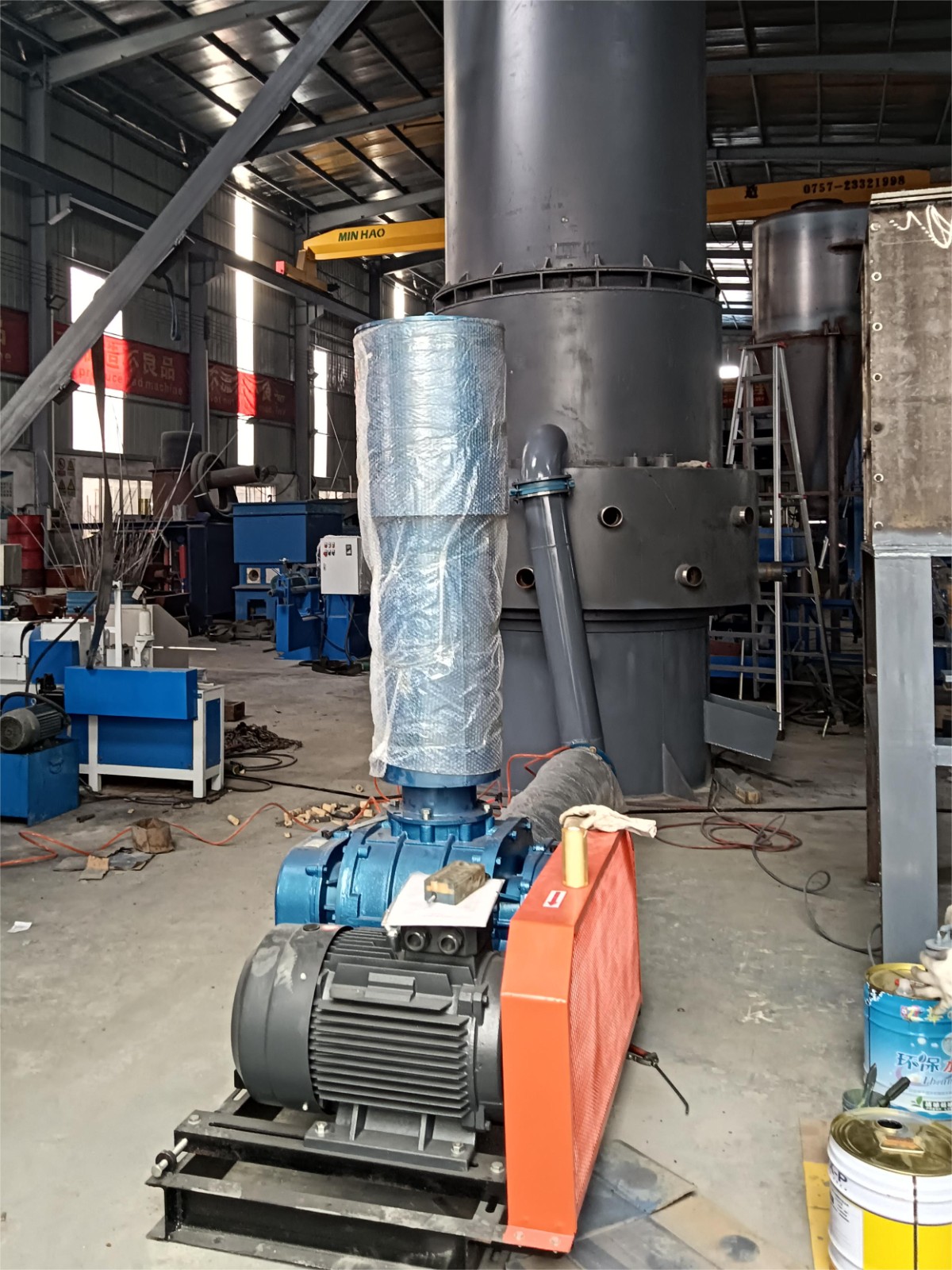
A hot‑blast cupola is a high-efficiency melting furnace customized for continuous, large-scale metal smelting. As a premium cupola furnace, the hot‑blast cupola adopts a complete waste heat recovery system to preheat combustion air before it enters the furnace body. This core design allows the hot‑blast cupola to reuse waste heat generated during metal smelting, fully optimizing the combustion process of the melting furnace. Unlike ordinary cupola furnace equipment, the hot‑blast cupola minimizes heat loss in metal smelting, greatly cutting coke and fuel consumption. For medium and large foundries that run long-hour metal smelting, the hot‑blast cupola is the most cost-effective melting furnace, as this cupola furnace maintains stable high-temperature combustion and uniform molten iron output throughoutmetal smelting cycles. The internal lining and air supply system of the hot‑blast cupola are precisely matched for high-temperature metal smelting, ensuring the melting furnace delivers consistent quality and high efficiency in mass production.
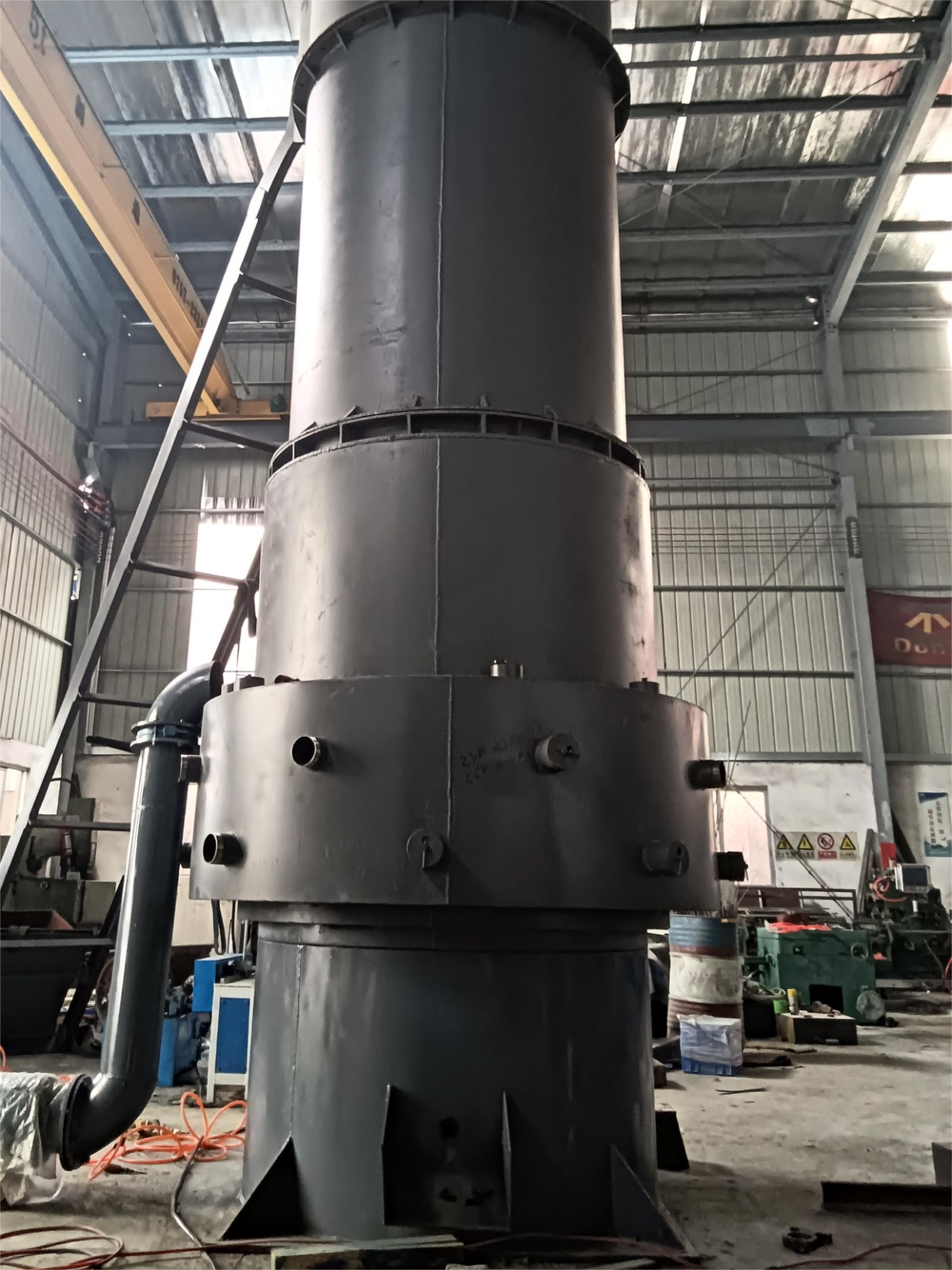
In contrast, a water‑cooled cupola is a high-durability cupola furnace built for flexible and high-load metal smelting. This professional melting furnace is equipped with a full-circumference circulating water cooling jacket, which is the core advantage of the water‑cooled cupola. During intensive metal smelting, the water‑cooled cupola uses circulating cooling water to rapidly dissipate extreme furnace temperature, protecting the entire structure of the cupola furnace and avoiding lining damage or furnace deformation. The robust cooling system of the water‑cooled cupola extends the service life of this melting furnace significantly, making it far more durable than conventional cupola furnace models. For intermittent, variable-load metal smelting with frequent start-stop operations, the water‑cooled cupola outperforms the hot‑blast cupola, as this sturdy cupola furnace requires no complex preheating debugging and can launch metal smelting instantly. The simple and stable structure of the water‑cooled cupola reduces failure rates of the melting furnace, lowering downtime risks in complexmetal smelting working conditions.
In terms of energy efficiency for metal smelting, the hot‑blast cupola dominates the market as an energy-saving cupola furnace. The waste heat recovery system of the hot‑blast cupola captures flue gas heat from metal smelting to preheat blast air, boosting combustion efficiency of the melting furnace by 15% to 25%. Long-term operation of the hot‑blast cupola cuts fuel costs greatly for foundries conducting bulkmetal smelting, making this cupola furnace a staple for standardized assembly-line production. Every structural detail of the hot‑blast cupola is optimized for efficient metal smelting, ensuring the melting furnace balances high output and low energy consumption stably.
In terms of operational stability and maintenance, the water‑cooled cupola is the most reliable cupola furnace for long-term metal smelting. The circulating water cooling system of the water‑cooled cupola fully wraps the furnace body, resisting thermal erosion during high-intensity metal smelting. The service life of the water‑cooled cupola is 2 to 3 times that of ordinary cupola furnace equipment, and this melting furnace rarely suffers core component damage in daily metal smelting. Although the water‑cooled cupola consumes slightly more water resources during operation, it eliminates frequent shutdown maintenance caused by furnace damage, maximizing the continuous metal smelting capacity of the foundry workshop. The maintenance of the water‑cooled cupola only focuses on routine water circuit inspection, making this cupola furnace easy to manage and low-cost to maintain for long-term metal smelting.
For foundry selection, large-scale, fixed-formula metal smelting perfectly matches the hot‑blast cupola. This professional cupola furnace delivers stable hot blast temperature, ensuring uniform molten iron composition and high casting quality in everymetal smelting batch. The hot‑blast cupola enables fully controllable and standardized metal smelting, making this melting furnace the first choice for high-precision casting production. In comparison, small and medium-sized foundries with flexible orders and intermittent metal smelting are more suitable for the water‑cooled cupola. The strong environmental adaptability of the water‑cooled cupola allows the melting furnace to adapt to fluctuating metal smelting loads, ensuring stable operation with minimal failure.
To conclude, the choice between hot‑blast cupola and water‑cooled cupola depends entirely on a foundry’s metal smelting mode. The hot‑blast cupola is the optimal cupola furnace for continuous, large-batch, high-quality metal smelting, while the water‑cooled cupola is the ideal melting furnace for flexible, intermittent, long-life metal smelting. Reasonable selection of cupola furnace types maximizes metal smelting efficiency, reduces comprehensive costs, and enhances the core competitiveness of modern foundry enterprises.