What Are the Advantages of a Cooling System with Soft Water Under Identical Working Conditions?
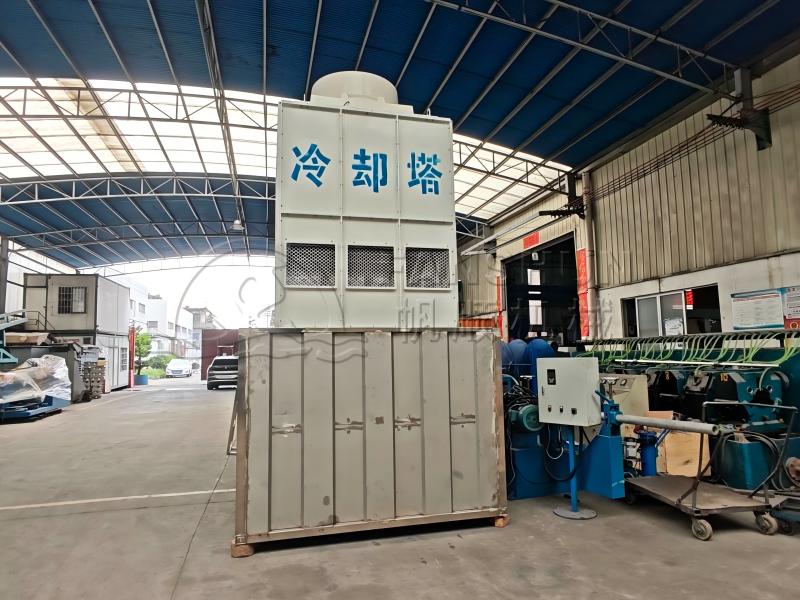
In modern industrial manufacturing, stable thermal management is the fundamental guarantee for continuous production, precise processing, and long‑term equipment safety. Among all industrial thermal management equipment, the Cooling system stands as the most essential and widely applied facility across mechanical processing, new energy, electronics, mold manufacturing, and chemical industries. Every production line, precision machine tool, and high‑power industrial equipment relies on a reliable Cooling system to dissipate operating heat, stabilize equipment temperature, and eliminate overheating‑induced failures. As industrial production precision and continuous operation requirements continue to rise, traditional ordinary Cooling system solutions that adopt untreated raw water can no longer meet high‑standard production demands. In contrast, the Soft‑water cooling system equipped with a professional Soft water device has gradually replaced conventional equipment and become the preferred choice for high‑end industrial thermal management. Many plant operators point out that the performance difference of a Soft‑water cooling system largely depends on whether the matched Soft water device is properly sized and technically qualified. A poorly configured Soft water device cannot deliver qualified water quality, and even a complete Soft‑water cooling system will fail to reach expected performance if the Soft water device is mismatched for real‑world working conditions. Industrial users and procurement professionals frequently raise a key industry question: What are the advantages of a Cooling system with soft water under identical working conditions? Through in‑depth comparison of operational data, maintenance performance, energy consumption indicators, and long‑term stability between ordinary Cooling system and professional Soft‑water cooling system equipped with a high‑grade Soft water device under identical working conditions, this article comprehensively analyzes the core value of a well‑selected Soft water device in industrial Circulating cooling system scenarios, and explains why purified Circulating water processed by a qualified Soft water device is the core foundation for optimizing the overall performance of a modern Cooling system.
To fully understand the gap between ordinary Cooling system and upgraded Soft‑water cooling system, it is necessary to start with the core operating medium of all cooling equipment: Circulating water. All industrial Circulating cooling system operates based on the continuous circulation and heat exchange of Circulating water. The working principle of every standard Cooling system is to use flowing Circulating water to absorb heat from industrial equipment, transfer the heat to the heat exchanger of the Cooling system, and finally complete heat dissipation to maintain stable equipment temperature. Traditional Cooling system directly uses tap water or natural hard water as Circulating water. This untreated Circulating water contains a large number of calcium ions, magnesium ions, and mineral impurities. When such Circulating water circulates repeatedly in the Circulating cooling system and is heated during the heat exchange process of the Cooling system, these hard water impurities will precipitate rapidly and adhere to the inner walls of cooling pipes, heat exchangers, and water pumps of the Cooling system, forming stubborn scale layers. This is the root cause of performance degradation in most ordinary Cooling system in long‑term operation, and it is also the key problem that the Soft‑water cooling system with a matched Soft water device completely solves. Only a properly dimensioned Soft water device can continuously remove hardness ions before raw water enters the Circulating cooling system, so that the whole Soft‑water cooling system can receive consistent soft‑quality Circulating water. Without a functional Soft water device, even if you assemble other parts of a Soft‑water cooling system, you cannot obtain the benefits brought by softened Circulating water.
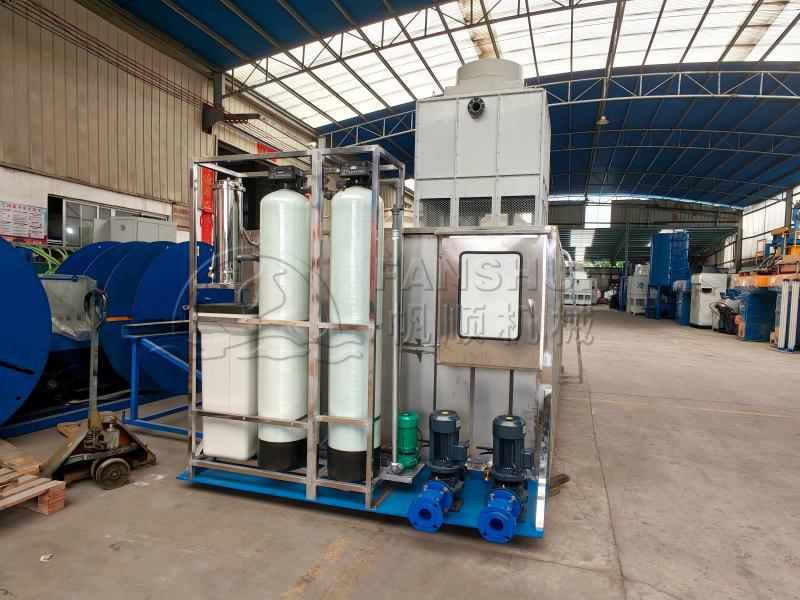
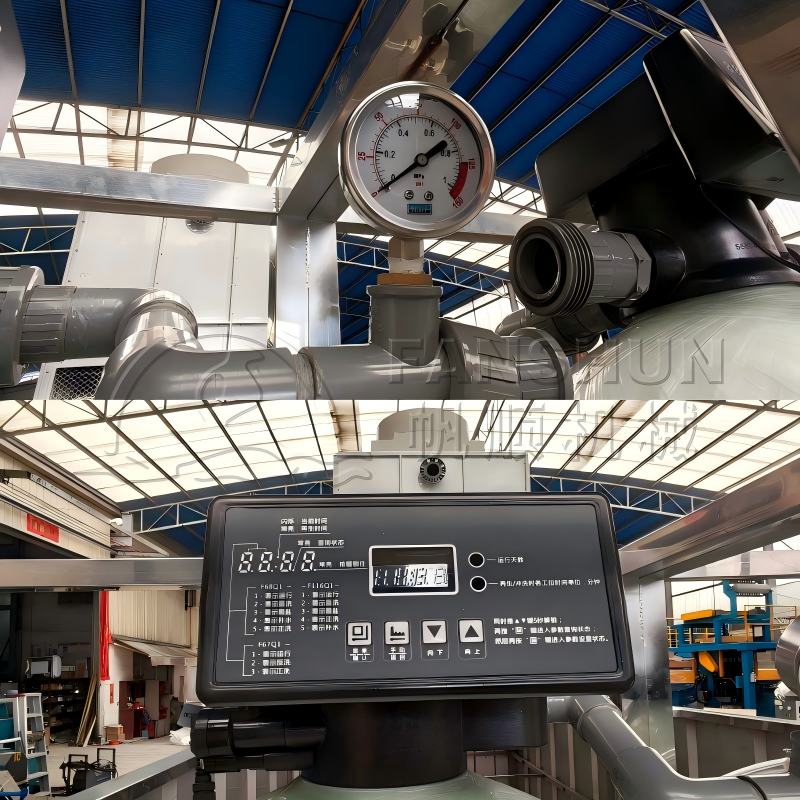
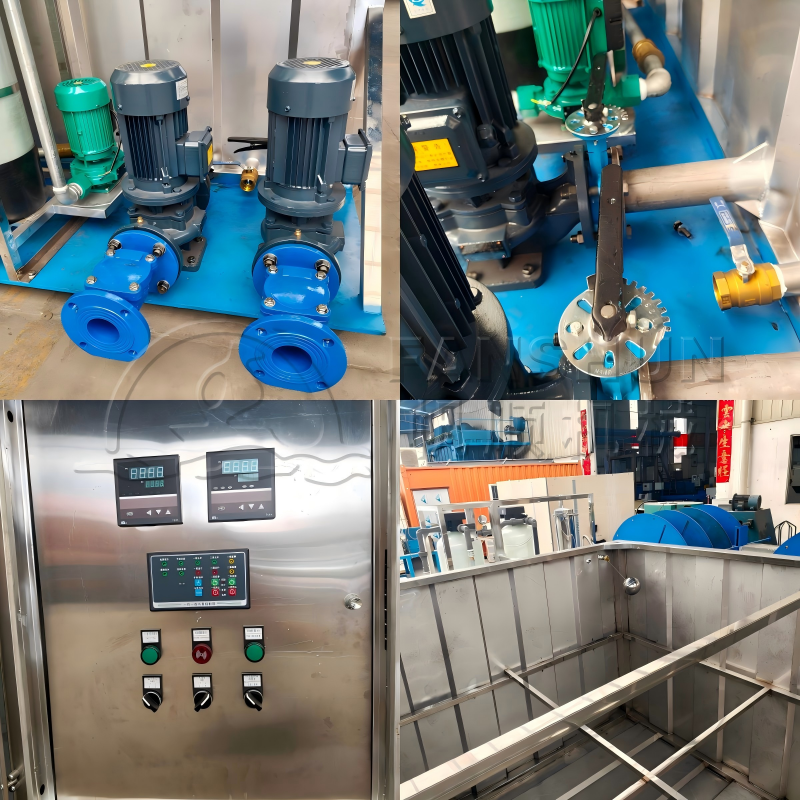
The Soft water device is the core supporting component of the entire Soft‑water cooling system. The professional Soft water device installed in the Soft‑water cooling system can effectively filter and adsorb calcium and magnesium ions in the raw water, convert hard water into high‑purity soft water, and take this purified soft water as the exclusive Circulating water for the Circulating cooling system. Many buyers overlook that the flow capacity of the Soft water device must match the total flow rate of the Circulating cooling system. If the Soft water device is undersized, it cannot keep up with the water consumption of the Soft‑water cooling system, partial hard water may sneak into the loop of the Circulating cooling system, and scale will still appear inside the Cooling system. Under identical working conditions, the Circulating water processed by the well‑matched Soft water device maintains stable water quality without mineral precipitation, which enables the Soft‑water cooling system to always maintain an efficient and unobstructed operating state, while the ordinary Cooling system without a Soft water device will face continuous scaling and performance attenuation. Some end‑users try to add a cheap, second‑hand Soft water device to retrofit their existing Cooling system, yet a low‑quality Soft water device may suffer resin failure, frequent regeneration faults and unstable output water quality, which cannot support reliable running of the Soft‑water cooling system. This fundamental difference in water quality determined by the quality of the Soft water device determines the huge performance gap between the two types of Cooling system in long‑term industrial operation, and also highlights the irreplaceable value of a genuine industrial‑grade Soft‑water cooling system paired with a high‑performance Soft water device in high‑standard industrial production scenarios.
The first core advantage of the Soft‑water cooling system under identical working conditions is the long‑term stable and efficient cooling capacity of the Cooling system. In the initial stage of operation, both ordinary Cooling system and Soft‑water cooling system can achieve ideal heat dissipation effects, and the cooling efficiency of the two Cooling system is basically consistent. However, after 1 to 3 months of continuous operation, the ordinary Cooling system using raw water Circulating water will have obvious performance degradation. A large amount of scale adheres to the inner wall of the Circulating cooling system pipeline, which reduces the heat conduction efficiency of the pipeline by 15% to 30%, blocks the flow channel of Circulating water, slows down the circulation speed of the Cooling system, and seriously hinders the heat exchange efficiency of the entire Cooling system. With the extension of operating time, the scale layer of the ordinary Circulating cooling system becomes thicker and thicker, resulting in continuous decline in cooling effect, frequent overheating of production equipment, and forced shutdown and early warning. In sharp contrast, the Soft‑water cooling system equipped with a high‑performance Soft water device uses purified soft Circulating water. Since there are no calcium and magnesium impurities in the Circulating water treated by the Soft water device, no scale will be generated inside the Circulating cooling system. The pipeline and heat exchanger of the Soft‑water cooling system remain smooth permanently, the Circulating water circulates stably and efficiently, and the cooling efficiency of the Cooling system can maintain the factory standard for a long time. Operators should perform routine simple checks on the Soft water device of the Soft‑water cooling system, verifying regeneration cycles and hardness readings to ensure the Soft water device works within designed parameters. Under identical working conditions, the cooling stability of the Soft‑water cooling system supported by a healthy Soft water device is far higher than that of the ordinary Cooling system, which can perfectly adapt to the long‑term uninterrupted operation needs of modern industrial production lines.
The second prominent advantage of the Soft‑water cooling system under identical working conditions is the ultra‑low maintenance cost and failure rate of the Cooling system. The ordinary Circulating cooling system relying on raw Circulating water requires frequent and tedious maintenance work in daily operation. The scaling problem of Circulating water leads to pipeline blockage, uneven water flow, and local heat accumulation in the Cooling system. Enterprises need to arrange professional personnel to regularly clean the scale of the Cooling system, dredge the blocked pipelines of the Circulating cooling system, replace clogged filter elements, and regularly replace deteriorated Circulating water. These repeated maintenance operations not only consume a large amount of labor costs and material costs, but also require frequent shutdowns for maintenance, resulting in production stagnation and huge economic losses. Moreover, long‑term scaling will also cause electrochemical corrosion inside the Cooling system pipeline, leading to pipeline aging, water leakage, and damage to core components such as heat exchangers and water pumps, further increasing the equipment replacement cost of the Cooling system. On the contrary, the Soft‑water cooling system with a complete Soft water device completely avoids the above problems. The soft Circulating water processed by the well‑tuned Soft water device will not produce scale or cause pipeline corrosion inside the Circulating cooling system. The internal components of the Soft‑water cooling system are always clean and stable, and the failure rate of the Cooling system is reduced by more than 80% compared with the ordinary Cooling system under identical working conditions. Compared with heavy descaling work for standard cooling loops, servicing the Soft water device of the Soft‑water cooling system is light‑duty work: operators only need to replenish regenerant materials for the Soft water device on schedule, without dismantling large sections of the Circulating cooling system. The maintenance cycle of the Soft‑water cooling system is greatly extended, and the daily maintenance workload is almost negligible, which greatly saves the long‑term operating and maintenance costs of industrial enterprises. Many site reports confirm that factories retrofitting their existing Circulating cooling system by adding a dedicated Soft water device can turn an old‑style Cooling system into a practical Soft‑water cooling system, gaining most performance benefits without full‑set equipment replacement.
The third key advantage of the Soft‑water cooling system under identical working conditions is the significant extension of the overall service life of the Cooling system and supporting equipment. The service life of industrial Cooling system is closely linked to the water quality of the operating Circulating water. The hard Circulating water used in ordinary Circulating cooling system contains a variety of corrosive impurities and microorganisms in addition to scaling minerals. In the long‑term circulation process of the Cooling system, these impurities will continuously corrode the metal inner wall of the Circulating cooling system, wear the heat exchanger core and pump body of the Cooling system, and accelerate the aging of precision components. Generally, the service life of an ordinary Cooling system operating with raw Circulating water is only 3 to 5 years, and core components need to be replaced frequently, resulting in continuous equipment investment costs for enterprises. However, the Soft‑water cooling system uses high‑purity soft Circulating water treated by the Soft water device. The clean Circulating water output from the Soft water device has no scaling substances or corrosive impurities, which can effectively protect the internal metal structure and precision components of the Circulating cooling system. Under identical working conditions, the service life of the Soft‑water cooling system can be extended to 8 to 12 years, and the replacement cycle of core components of the Cooling system is greatly prolonged. Plant managers should never ignore regular inspection for the Soft water device; wear of resin media inside the Soft water device will gradually weaken water‑softening capacity, and timely maintenance of the Soft water device is essential to keep the whole Soft‑water cooling system at peak performance. This not only improves the operational stability of the Cooling system but also greatly reduces the equipment renewal and replacement costs for industrial enterprises.
The fourth core advantage of the Soft‑water cooling system under identical working conditions is efficient energy saving and environmental protection, which effectively reduces the overall energy consumption of the Cooling system. In the ordinary Circulating cooling system, the scale attached to the pipeline wall increases the flow resistance of Circulating water. To maintain the normal water flow and cooling effect of the Cooling system, the circulating water pump of the Cooling system needs to increase operating power, resulting in a sharp increase in power consumption. The thicker the scale layer, the greater the water flow resistance, and the higher the invalid energy consumption of the Cooling system. Industry test data shows that under identical working conditions, the energy consumption of an ordinary scaled Cooling system is 20% to 40% higher than that of a new machine, forming long‑term wasted energy consumption. The Soft‑water cooling system completely solves this problem relying on the stable water quality of soft Circulating water generated by its integrated Soft water device. The interior of the Circulating cooling system is smooth and unobstructed, the Circulating water flows smoothly with low resistance, the water pump of the Cooling system can operate at a constant and low power, and the overall energy consumption of the Cooling system is always maintained at an efficient and energy‑saving level. In addition, the closed‑cycle operation of the Soft‑water cooling system reduces the evaporation and waste of Circulating water, saving more than 30% of water resources compared with ordinary open Cooling system, which fully meets the current industrial energy‑saving and environmental protection production standards. Selecting an energy‑efficient Soft water device further optimizes overall resource consumption for the complete Soft‑water cooling system, so enterprises should compare technical parameters of different Soft water device options during project procurement.
In addition to the above core advantages, the Soft‑water cooling system also has outstanding advantages in temperature control accuracy and operational stability under identical working conditions, which is crucial for precision manufacturing industries. Precision industrial equipment such as electronic chip processing equipment, new energy battery production equipment, and high‑precision mold processing machines have extremely strict requirements on operating temperature stability, and the temperature fluctuation range must be controlled within ±1℃ to ensure product processing accuracy and yield. The ordinary Cooling system has unstable cooling efficiency due to continuous scaling and uneven Circulating water flow. The temperature control fluctuation of the ordinary Circulating cooling system often exceeds ±3℃, which cannot meet the production needs of high‑precision industries. In contrast, the Soft‑water cooling system equipped with a professional Soft water device has stable Circulating water quality and unobstructed circulation. The heat exchange efficiency of the Cooling system is balanced and consistent, and the temperature control accuracy of the Soft‑water cooling system can stably reach ±1℃ under identical working conditions. Operators can install water hardness monitors next to the Soft water device, to instantly confirm that the Soft water device delivers qualified softened feed water for the Circulating cooling system. This high‑precision temperature control capability effectively avoids product quality problems caused by temperature fluctuations, greatly improves the yield and qualification rate of precision industrial products, and brings higher economic benefits to enterprises.
In summary, when answering the core industrial question of what are the advantages of a Cooling system with soft water under identical working conditions, the conclusion is clear and definite: the Soft‑water cooling system relying on professional Soft water device and high‑quality soft Circulating water has comprehensively surpassed the traditional ordinary Cooling system in all core performance indicators. Never treat the Soft water device as an optional trivial accessory for the Soft‑water cooling system; the Soft water device is the decisive unit defining whether your Circulating cooling system can obtain full soft‑water benefits. The optimized Circulating cooling system with soft water treatment realized by a reliable Soft water device achieves long‑term stable cooling efficiency, ultra‑low failure rate and maintenance cost, extended equipment service life, efficient energy saving and water saving, and high‑precision temperature control. In the context of increasingly stringent industrial production standards and increasingly fierce market competition, the traditional Cooling system with raw water circulation can no longer adapt to high‑end manufacturing needs, while the high‑performance Soft‑water cooling system built around a well‑specified Soft water device has become the standard configuration of modern industrial thermal management. For all industrial enterprises that pursue stable production, cost reduction and efficiency improvement, upgrading the Cooling system and configuring a complete Soft water device to optimize the Circulating water quality of the Circulating cooling system is the most cost‑effective and reliable technical transformation solution, which will provide a solid guarantee for the long‑term stable and high‑quality development of enterprise production.