What Are the Advantages of a Medium Frequency Induction Furnace? Why Does It Improve Production Efficiency?
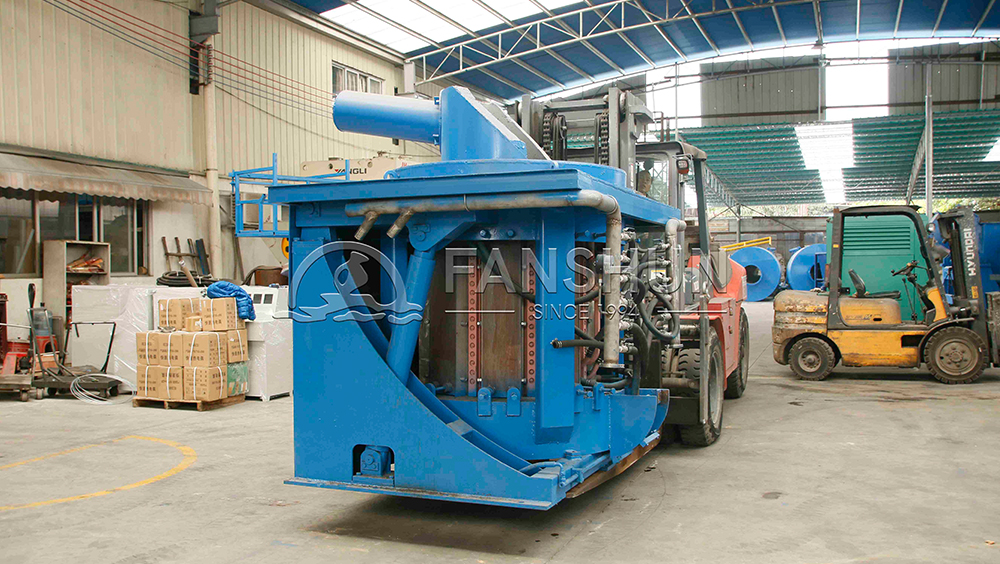
As manufacturing continues to evolve, foundries and metal processing companies are seeking more efficient alternatives to the traditional Electric Furnace. The Medium Frequency Induction Furnace has become a leading solution due to its high efficiency, energy savings, and stable melting performance. Compared with a conventional Electric Furnace, the modern Induction Furnace offers significant improvements in both productivity and operational cost control.
A modern Medium Frequency Furnace is widely used in steel, iron, copper, aluminum, and alloy production. Many factories upgrading from an old Electric Furnace system are choosing the Medium Frequency Induction Melting Furnace because it provides faster melting speed and better energy utilization.
Higher Melting Efficiency Compared to Electric Furnace
One of the most important advantages of a Medium Frequency Induction Furnace is its melting efficiency. Unlike a traditional Electric Furnace, which relies on resistance heating and slower thermal transfer, an Induction Furnace generates heat directly inside the metal.
This makes the Medium Frequency Furnace significantly faster than a standard Electric Furnace in reaching melting temperature. A modern Medium Frequency Induction Melting Furnace can complete multiple heats in the time a conventional Electric Furnace completes fewer cycles, improving production output and reducing waiting time.
Energy Savings Compared with Electric Furnace Systems
Energy consumption is a major concern for any Electric Furnace operation. In contrast, a Medium Frequency Induction Furnace improves efficiency by directly heating the metal charge, reducing heat loss.
Compared to a traditional Electric Furnace, an Induction Furnace uses electricity more effectively. Many plants replacing an aging Electric Furnace with a Medium Frequency Furnace report lower energy consumption per ton of metal produced.
The Medium Frequency Induction Melting Furnace also reduces standby energy loss, which is common in older Electric Furnace systems, making it a more cost-effective solution for continuous production.
Improved Temperature Control and Stability
A key limitation of many Electric Furnace systems is temperature fluctuation during operation. The Medium Frequency Induction Furnace, however, provides precise and stable temperature control.
An Induction Furnace ensures even heating throughout the molten material, reducing overheating risks that are often seen in a traditional Electric Furnace. The Medium Frequency Furnace allows operators to adjust power output instantly, ensuring better metallurgical consistency.
This makes the Medium Frequency Induction Melting Furnace far more reliable than many conventional Electric Furnace solutions.
Better Metal Quality and Reduced Loss
When using a traditional Electric Furnace, oxidation and material loss can be higher due to longer melting times. The Medium Frequency Induction Furnace minimizes these issues by shortening the melting cycle.
An Induction Furnace provides a cleaner melting environment, improving metal purity and reducing contamination. Compared to an Electric Furnace, a Medium Frequency Furnace produces higher-quality molten metal with better chemical stability.
The Medium Frequency Induction Melting Furnace is therefore widely used in applications requiring strict quality standards, where traditional Electric Furnace equipment may not be sufficient.
Flexibility Beyond Traditional Electric Furnace Systems
Unlike many fixed-function Electric Furnace systems, the Medium Frequency Induction Furnace can process a wide range of metals, including steel, cast iron, copper, aluminum, and various alloys.
A modern Induction Furnace allows quick switching between different materials, making it more flexible than a conventional Electric Furnace. The Medium Frequency Furnace is particularly suitable for diversified production environments where adaptability is required.
Cleaner and Safer Than Electric Furnace Operation
Environmental and safety standards are becoming stricter than ever for Electric Furnace operations. The Medium Frequency Induction Furnace offers a cleaner and safer alternative.
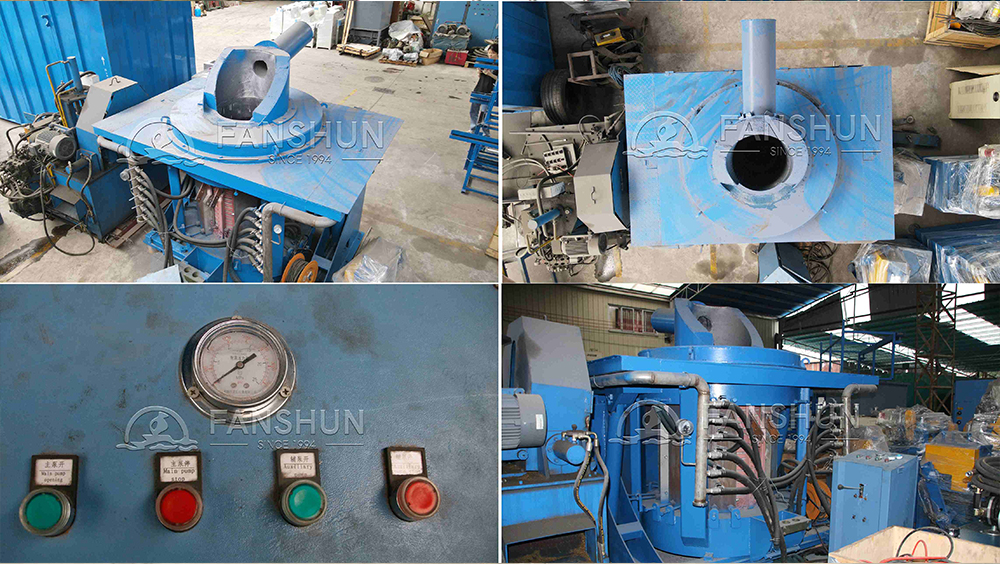
Compared with a traditional Electric Furnace, an Induction Furnace produces less smoke, dust, and noise. The Medium Frequency Furnace also integrates advanced safety systems such as water cooling protection and automatic fault detection.
A Medium Frequency Induction Melting Furnace significantly improves workplace safety compared to older Electric Furnace installations.
Lower Maintenance Cost Than Electric Furnace
Maintenance is another area where the Medium Frequency Induction Furnace outperforms the Electric Furnace. Traditional Electric Furnace systems often require frequent maintenance due to heating element wear.
In contrast, an Induction Furnace has fewer consumable components. The Medium Frequency Furnace reduces downtime and repair frequency, making it more cost-efficient in long-term operation compared to a standard Electric Furnace.
Conclusion
The Medium Frequency Induction Furnace represents a major advancement over traditional Electric Furnace technology. With faster melting speed, better energy efficiency, improved temperature control, and higher metal quality, the Induction Furnace is becoming the preferred choice in modern foundries.
Compared to an Electric Furnace, the Medium Frequency Furnace and Medium Frequency Induction Melting Furnace provide clear advantages in productivity, cost reduction, and environmental performance.
For companies upgrading from an old Electric Furnace, investing in a modern Medium Frequency Induction Furnace is a strategic decision that supports long-term efficiency and competitiveness.