What Is the Difference Between a Mains Frequency Channel Induction Furnace and a Coreless Induction Furnace, and How to Choose the Right One?
Industry News: Understanding Induction Furnace Technology for Non-Ferrous Metal Melting
As manufacturers seek higher productivity, stable metal quality, and lower operating costs, selecting the right induction furnace has become an important decision. In non-ferrous metal melting, two major technologies are channel induction furnaces and coreless induction furnaces. Understanding the differences between a line frequency channel induction furnace, a mains frequency channel induction furnace, and a line frequency coreless induction furnace helps manufacturers make informed investment decisions.
1. Working Principles and Structural Differences
A line frequency channel induction furnace uses an iron-core transformer principle. Its induction coil surrounds an iron core, while a channel containing molten metal acts as the secondary circuit. Electrical energy generates heat in the channel, promoting metal circulation throughout the bath. A line frequency channel induction furnace is suitable for continuous production, metal holding, and applications requiring a stable molten-metal supply.
The terms line frequency channel induction furnace and mains frequency channel induction furnace generally describe the same technology operating at the industrial power frequency of 50 or 60 Hz. These furnaces are used in non-ferrous metal melting applications involving compatible copper alloys, brass, aluminum, and other metals.
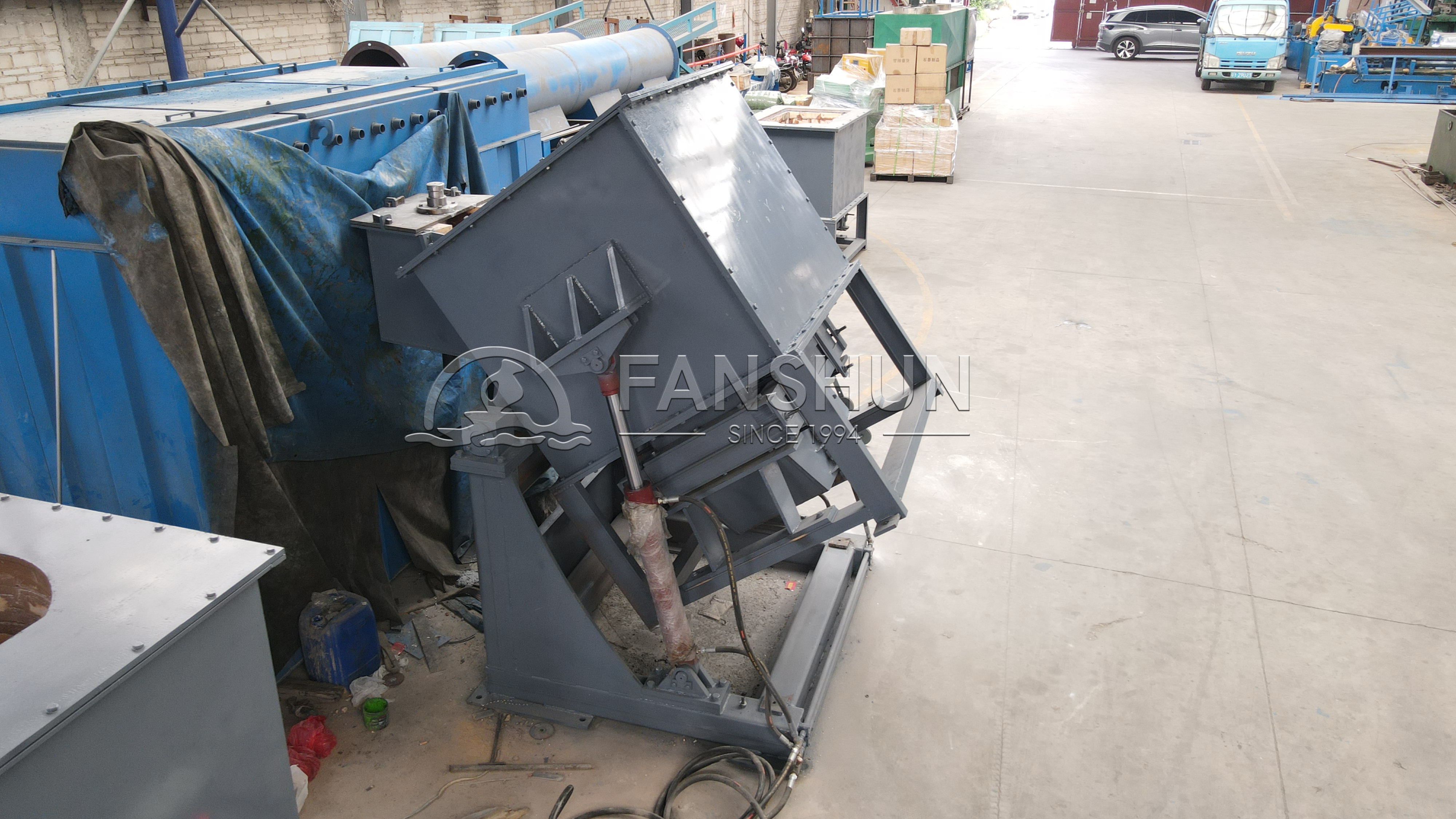
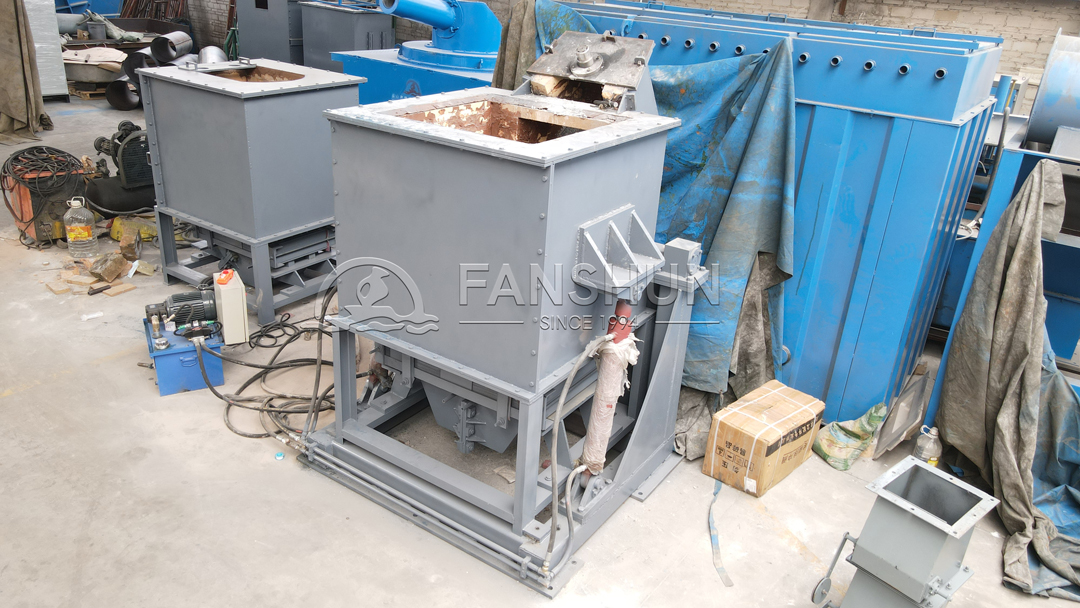
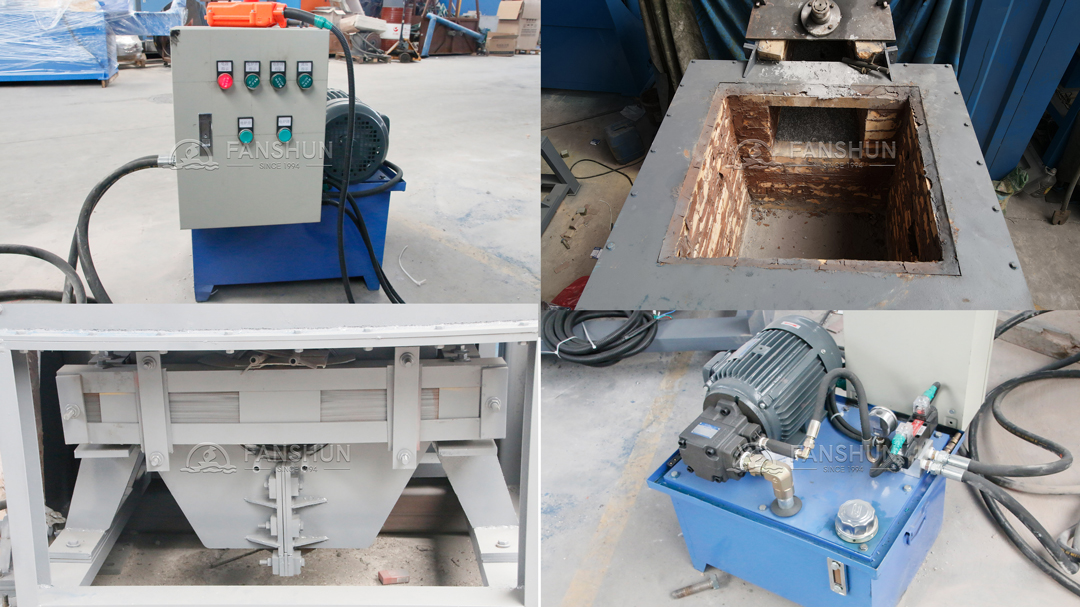
A coreless induction furnace has no iron core or permanent molten-metal channel. Instead, a water-cooled copper coil surrounds a refractory-lined crucible and induces electrical currents directly in the metal charge. This design allows a coreless induction furnace to melt solid material from a cold start, making it suitable for batch production and frequent alloy changes.
A line frequency coreless induction furnace is a coreless design operating at mains frequency. It should not be confused with a line frequency channel induction furnace because their structures, heating characteristics, and operating requirements differ significantly.
2. Advantages of Channel Induction Furnaces
A line frequency channel induction furnace is attractive when production runs continuously and alloy changes are limited. Its transformer-based design can provide favorable electrical efficiency under suitable operating conditions.
For non-ferrous metal melting, a mains frequency channel induction furnace can serve as a melting, holding, or pouring unit, depending on its configuration. It is useful where downstream casting equipment requires a consistent supply of liquid metal.
Another advantage of a line frequency channel induction furnace is its ability to maintain a substantial molten-metal inventory for continuous casting. However, it generally requires a molten-metal heel for reliable operation, making cold starts and complete emptying less convenient than with a coreless design.
A mains frequency channel induction furnace also requires attention to channel geometry, refractory compatibility, and potential channel blockage. These factors should be considered when planning non-ferrous metal melting operations.
3. Advantages of Coreless Induction Furnaces
A coreless induction furnace offers greater operational flexibility. It can process different batches and can normally be emptied between production cycles. This makes it suitable for plants handling recycled metals, variable raw materials, and multiple alloys.
In non-ferrous metal melting, a coreless induction furnace can be configured for copper, brass, bronze, aluminum, and other suitable alloys. Its electromagnetic stirring action can help improve temperature uniformity and alloy homogeneity when operating conditions are properly controlled.
A line frequency coreless induction furnace may be suitable for certain applications, but its frequency must match the furnace capacity, charge characteristics, and required melting rate. Medium-frequency coreless furnaces should also be considered for applications requiring faster melting and flexible production schedules.
Although energy consumption and refractory costs vary by design, a coreless induction furnace can reduce interruptions when frequent alloy changes are required. Actual performance depends on furnace design, electrical supply, cooling systems, operating practices, and the material being melted.
4. How to Choose the Right Furnace
Production schedule: A line frequency channel induction furnace is often suitable for continuous operation with limited alloy changes. A coreless induction furnace is generally preferable for batch melting, cold starts, and frequent shutdowns.
Metal type: Non-ferrous metal melting involves different melting points, compositions, oxidation characteristics, and refractory requirements. A mains frequency channel induction furnace may suit continuous production, while a coreless induction furnace offers greater flexibility across different materials.
Capacity and output: Buyers should calculate hourly and daily output, batch size, melting time, holding time, and casting speed. A line frequency channel induction furnace should be evaluated alongside the complete production line, while a coreless induction furnace should be assessed according to its actual melting capacity and cycle time.
Energy consumption: Compare electricity consumption in kilowatt-hours per tonne, installed power, transformer capacity, cooling requirements, and electricity tariffs. Neither a line frequency channel induction furnace nor a line frequency coreless induction furnace should be selected based on frequency alone.
Maintenance costs: A mains frequency channel induction furnace requires particular attention to its molten-metal channel and refractory system. A coreless induction furnace requires regular inspection of its crucible lining, coil, cooling circuit, and electrical controls.
5. Line Frequency Coreless Induction Furnace for Non-Ferrous Metal Melting
A line frequency coreless induction furnace is an option for industrial non-ferrous metal melting. Before selecting a line frequency coreless induction furnace, manufacturers should evaluate melting capacity, energy consumption, operating temperature, and production requirements.
Unlike a channel furnace, a line frequency coreless induction furnace heats metal inside a refractory-lined crucible without a permanent molten-metal channel. In non-ferrous metal melting, this design offers flexibility for suitable batch-processing applications. However, a line frequency coreless induction furnace must match the metal type, charge size, and required melting cycle.
For copper, brass, and bronze production, non-ferrous metal melting requires appropriate temperature control, refractory materials, and electrical protection. A line frequency coreless induction furnace should be compared with alternative furnace designs to determine the most economical solution.
For aluminum and zinc alloys, non-ferrous metal melting also requires careful control of oxidation, metal loss, and fume collection. Buyers should confirm that the proposed line frequency coreless induction furnace is designed for their specific alloy and operating temperature.
6. Installation and Operating Safety
A line frequency coreless induction furnace requires suitable electrical infrastructure, cooling water, ventilation, and safety controls. In non-ferrous metal melting plants, operators must regularly inspect the coil, crucible lining, cooling circuit, and electrical system.
Safe charging is essential for non-ferrous metal melting, especially when processing recycled scrap. Wet or contaminated materials must be handled carefully to prevent dangerous reactions with molten metal. A line frequency coreless induction furnace should be operated by trained personnel following established safety procedures.
Manufacturers should also consider whether a line frequency coreless induction furnace can achieve the required daily output and batch cycle. Actual performance depends on furnace capacity, power supply, raw-material composition, and operating practices.
7. Conclusion
There is no universal winner between channel and coreless induction technologies. A line frequency channel induction furnace is often a strong choice for continuous holding, pouring, and stable high-volume production. A coreless induction furnace is generally suitable for batch melting, scrap processing, and flexible alloy production.
For successful non-ferrous metal melting, manufacturers should evaluate raw materials, required purity, daily output, electricity supply, casting methods, and maintenance resources. Before purchasing a line frequency coreless induction furnace or a mains frequency channel induction furnace, buyers should request verified technical specifications and compare equipment under equivalent operating conditions.
Ultimately, choosing the right furnace requires balancing productivity, product quality, energy consumption, and long-term reliability. A detailed technical assessment will help manufacturers select the most suitable solution for their non-ferrous metal melting requirements.