Can one horizontal furnace really produce both brass strips and brass tubes at the same time?
In recent years, the global non-ferrous metal industry has increasingly focused on efficiency, integration, and energy-saving production systems. A key question emerging from manufacturers is: Can one horizontal furnace really produce both brass strips and brass tubes at the same time? The answer is closely related to the development of the modern Horizontal Continuous Casting Machine, advanced Horizontal Casting Furnace, and fully integrated Continuous Casting Production Line designed for multi-product flexibility.
Industry Background and Technological Shift
Traditional brass manufacturing systems often rely on separate melting and casting units for different products. However, with rising energy costs and stricter production efficiency requirements, manufacturers are turning toward integrated solutions such as the Continuous Melting Furnace and the Brass Casting Machine combined within a single system.
Today’s Continuous Casting Production Line is no longer limited to single-product output. Instead, it is designed to support multiple product forms, including brass strips and brass tubes, within a unified production environment. This evolution raises the central question again: can a single Horizontal Casting Furnace truly handle such diverse output simultaneously?
Core Role of Integrated Furnace Systems
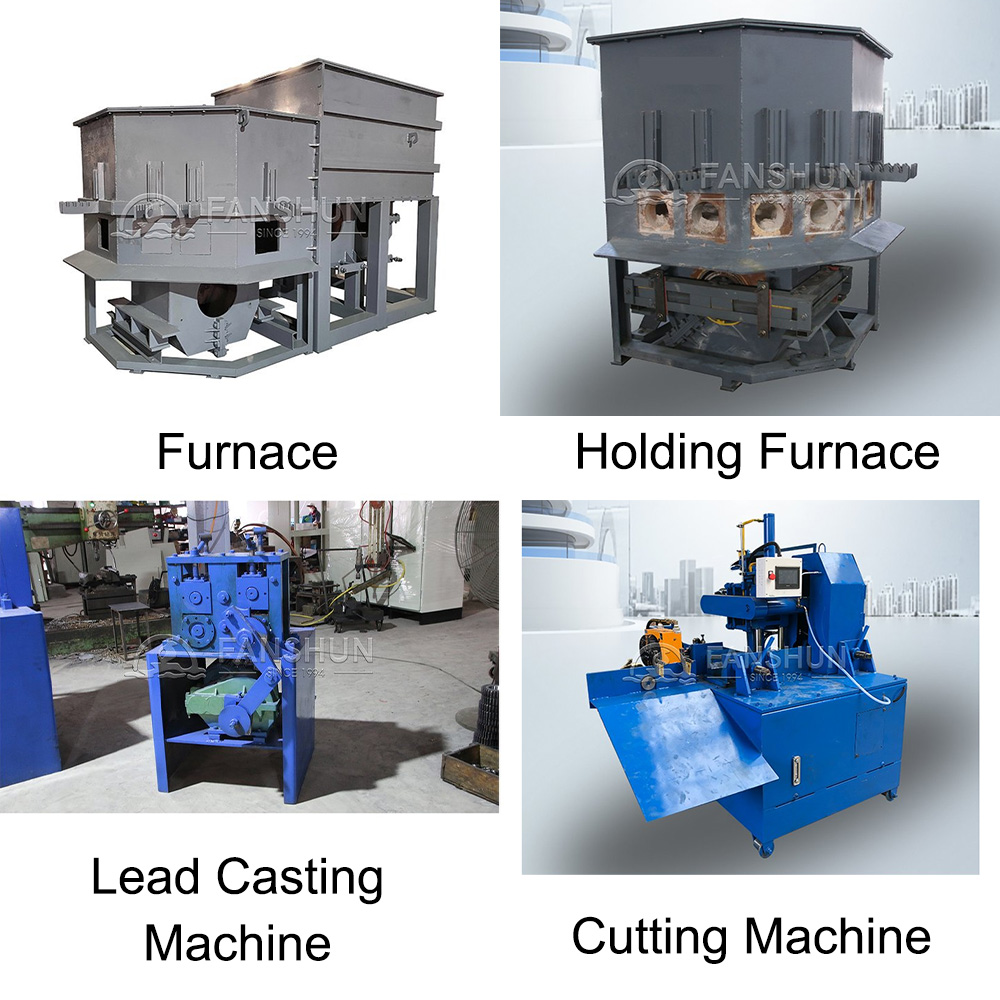
At the heart of this transformation is the Horizontal Continuous Casting Machine, which enables stable, continuous metal flow and controlled solidification. When paired with a high-performance Continuous Melting Furnace, the system ensures uniform alloy composition and consistent thermal conditions.
In a modern Continuous Casting Production Line, the Horizontal Casting Furnace plays a critical role in maintaining stable molten metal supply. This allows the Brass Casting Machine to operate continuously without interruption, whether producing brass strips or brass tubes.
The integration of the Horizontal Continuous Casting Machine into a unified Continuous Casting Production Line significantly reduces downtime, improves metal yield, and ensures better product consistency.
Dual-Product Capability: Brass Strip and Brass Tube
One of the most frequently asked questions in the industry is whether a single system can truly handle both brass strips and brass tubes. The answer lies in the flexibility of the Brass Casting Machine and Brass Casting Machine's compatibility with the Horizontal Casting Furnace.
In advanced configurations, the Horizontal Continuous Casting Machine works seamlessly with the Continuous Melting Furnace, allowing operators to adjust molds and parameters for different product types. This makes it possible for one Continuous Casting Production Line to support both brass strips and brass tubes without requiring separate production lines.
The Brass Casting Machine ensures dimensional accuracy, while the Horizontal Casting Furnace guarantees stable melt quality. Together, they form a highly adaptable system within the Continuous Casting Production Line.
Efficiency, Cost, and Energy Advantages
The integration of a Continuous Melting Furnace with a Horizontal Continuous Casting Machine significantly improves energy efficiency. By reducing repeated heating cycles and minimizing metal loss, manufacturers can achieve lower production costs.
The Horizontal Casting Furnace also contributes to energy optimization by maintaining stable thermal conditions. In combination with the Brass Casting Machine, the system reduces scrap rates and enhances yield efficiency.
Furthermore, the Continuous Casting Production Line eliminates the need for multiple standalone furnaces. This compact structure reduces plant footprint and simplifies maintenance, while still supporting dual-product output such as brass strips and brass tubes.
Process Stability and Quality Control
Quality consistency is a key advantage of using a Continuous Melting Furnace in an integrated system. It ensures that the molten metal feeding the Horizontal Continuous Casting Machine remains chemically stable.
Within the Continuous Casting Production Line, the Horizontal Casting Furnace provides precise temperature control, which directly impacts the performance of the Brass Casting Machine. This results in improved surface quality, better internal structure, and higher mechanical strength of both brass strips and brass tubes.
By synchronizing all components, the Continuous Casting Production Line achieves a stable and repeatable production cycle.
Industrial Impact and Future Outlook
The demand for multi-functional systems continues to grow, especially in copper and brass processing industries. The combination of Horizontal Continuous Casting Machine, Horizontal Casting Furnace, Continuous Casting Production Line, Brass Casting Machine, and Continuous Melting Furnace represents a new generation of integrated metallurgy solutions.
Manufacturers adopting this system report improved productivity, reduced operational complexity, and greater flexibility in product output. The ability to produce both brass strips and brass tubes within a single Continuous Casting Production Line is no longer a theoretical concept but a practical industrial solution.
Conclusion
So, can one horizontal furnace really produce both brass strips and brass tubes at the same time? With the advancement of the Horizontal Continuous Casting Machine, supported by a stable Horizontal Casting Furnace, a fully integrated Continuous Casting Production Line, a precise Brass Casting Machine, and an efficient Continuous Melting Furnace, the answer is yes.
This integrated approach is reshaping the brass manufacturing industry, offering a smarter, more efficient, and more flexible production model for the future.