How Does a Copper Wire Nose Production Line Achieve High-Efficiency Automation?
In the modern manufacturing industry, the demand for high-quality copper products has skyrocketed. Companies around the world are focusing on improving the production efficiency of copper wire nose and copper nose components. The copper wire nose production line has become a crucial segment in the manufacturing of copper products, including red copper and copper tinned varieties. Manufacturers are constantly exploring ways to enhance automation in the production of copper wire nose and copper nose products. Increasing the output of copper nose and red copper, along with copper tinned components, is a major focus for many manufacturers. The copper nose and copper wire nose production lines must handle large quantities of red copper and copper tinned materials to meet global demand.
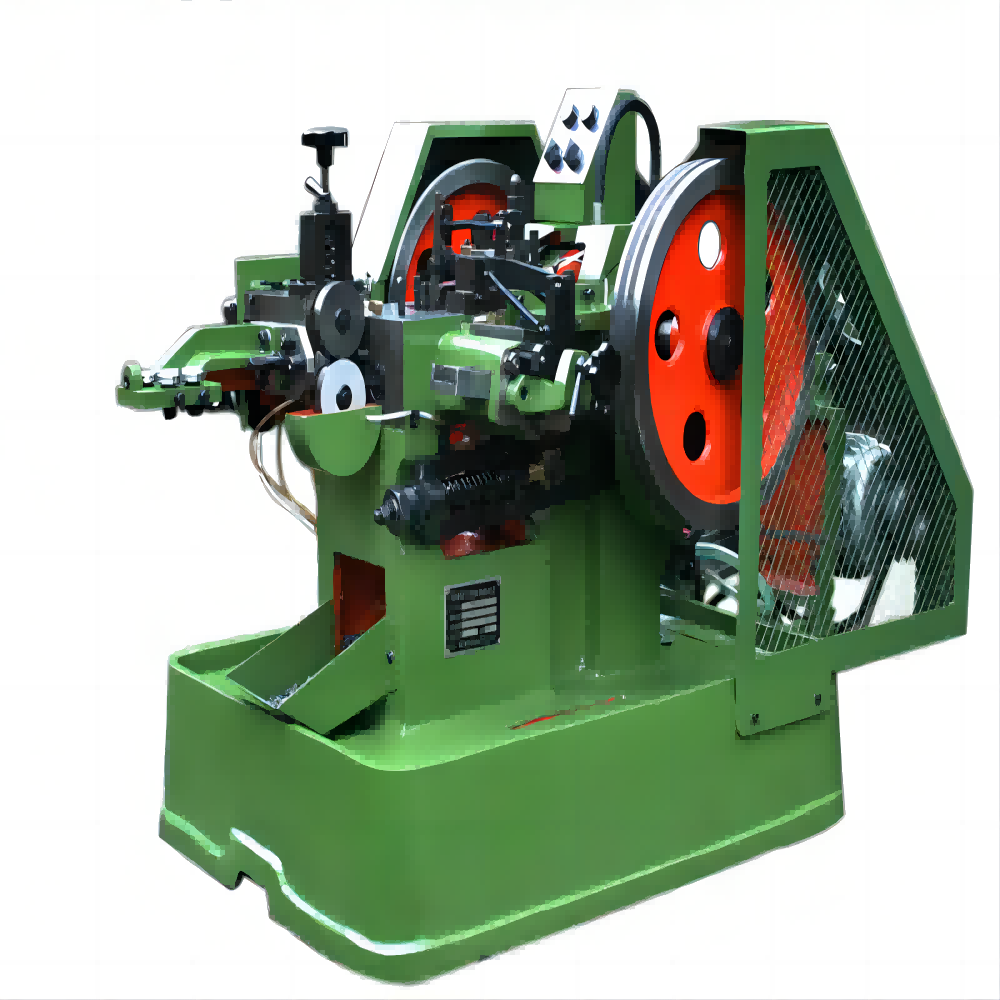
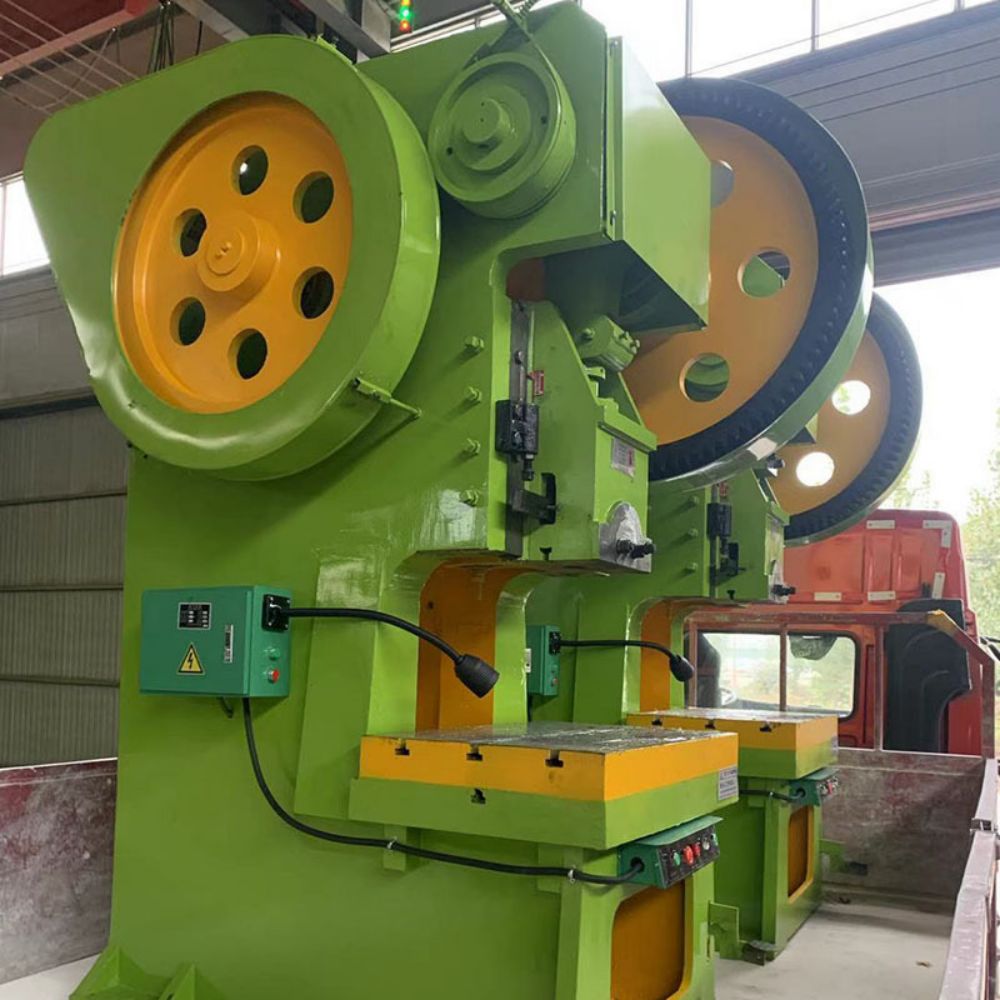
The copper wire nose is a vital component in electrical and industrial applications. Efficient production of copper wire nose is essential to meet market demands. Modern production lines for copper wire nose integrate advanced machinery, robotics, and quality control systems. These innovations enable manufacturers to produce high volumes of copper nose components, including red copper and copper tinned types, with consistent quality. Automated production lines reduce human error and ensure that copper products, especially copper nose made from red copper and copper tinned materials, meet international standards. Copper nose components made from red copper and copper tinned alloys are increasingly preferred in high-demand industries, making their production crucial.
Red copper and copper tinned are two popular types of copper used in copper wire nose and copper nose production. Red copper is known for its excellent conductivity, making it ideal for electrical applications. Copper tinned, on the other hand, provides superior corrosion resistance, which is essential for long-term durability in copper products. By using automated copper wire nose production lines, manufacturers can efficiently handle both red copper and copper tinned materials, ensuring that copper products, including copper nose, are produced at a high standard and in large quantities. The integration of red copper and copper tinned handling systems ensures that each copper nose is uniform and meets strict quality standards.
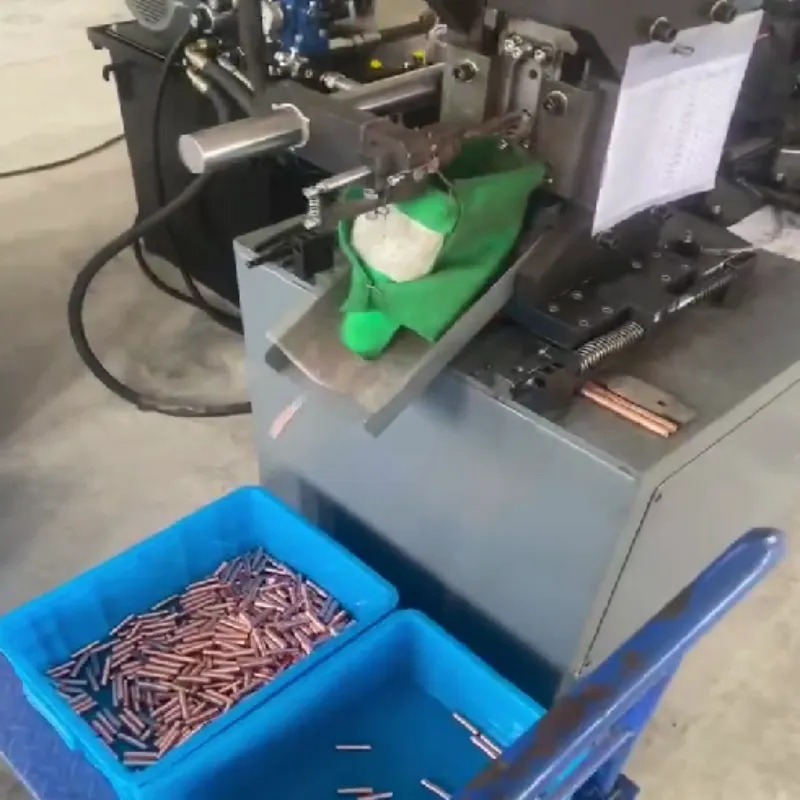
Automation in copper wire nose production lines includes several key technologies. Robotics systems are used to handle copper wire nose and copper nose components with precision. Conveyor systems streamline the movement of copper nose pieces along the production line. Advanced sensors and quality control mechanisms detect defects in copper products, including red copper and copper tinned varieties. This integration of automation ensures that each copper wire nose and copper nose meets strict quality criteria, while red copper and copper tinned components are produced efficiently. Manufacturers continually upgrade their lines to optimize the handling of copper nose and copper tinned materials.
Copper products, including copper wire nose and copper nose components, are in high demand across multiple industries. The electronics sector relies heavily on copper wire nose for connectors and terminals, and on copper nose components made from red copper and copper tinned materials. Industrial machinery uses copper nose components for efficient energy transfer. By adopting high-efficiency automated production lines, manufacturers can produce red copper and copper tinned copper products in large volumes while maintaining quality. This approach reduces production costs and increases output, which is essential for meeting the growing demand for copper wire nose and copper nose components in various markets. Red copper and copper tinned products dominate the market for high-quality copper products.
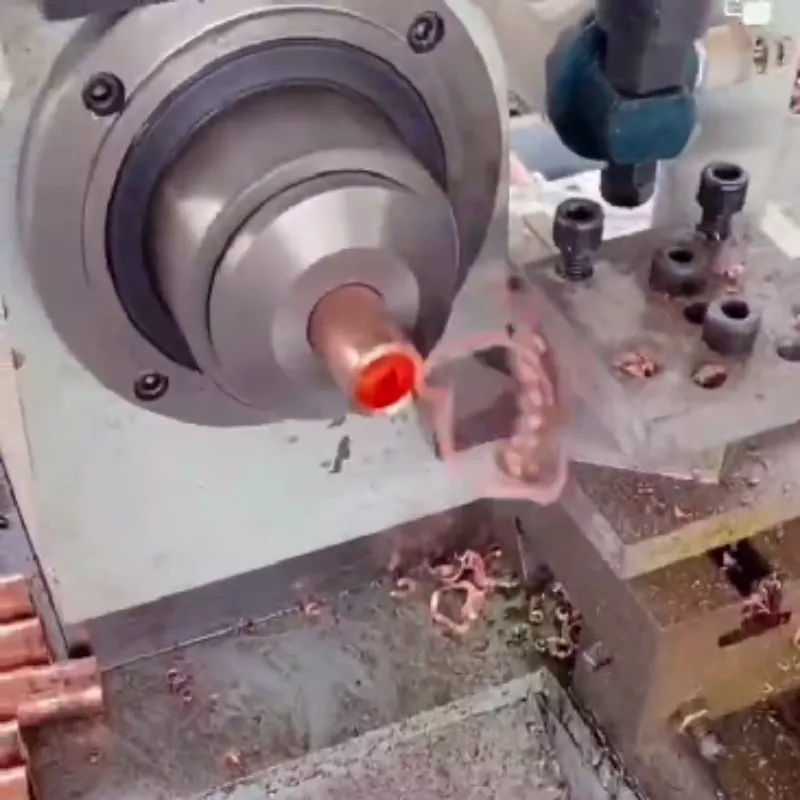
The production process of copper wire nose involves several stages. Raw materials, such as red copper and copper tinned wires, are first prepared and inspected. Then, automated machines shape and form the copper nose components. Throughout the production line, sensors monitor the quality of copper products, ensuring that copper wire nose and copper nose meet precise specifications. Automation allows for continuous monitoring and adjustment, reducing waste and improving efficiency in the production of copper nose, red copper, and copper tinned products. Manufacturers prioritize the careful handling of red copper and copper tinned materials to maximize the quality of copper nose components.
Manufacturers are increasingly investing in automated copper wire nose production lines to stay competitive. High-efficiency automation not only improves production rates but also enhances the quality of copper products. Red copper and copper tinned components produced on these lines exhibit uniformity and reliability, which are critical for applications in electrical, industrial, and construction sectors. The adoption of automated technology ensures that copper wire nose and copper nose production can scale up to meet global demand without compromising on quality. Red copper and copper tinned copper nose components are now central to modern production strategies.
The integration of software solutions in copper wire nose production lines also plays a crucial role. Data from sensors and machinery is analyzed in real-time to optimize production. Automated systems can adjust parameters for red copper and copper tinned components, ensuring that all copper products, including copper nose and copper wire nose, meet stringent standards. This intelligent approach to automation enables manufacturers to produce copper wire nose and copper nose components efficiently, reducing downtime and maximizing throughput while ensuring high-quality red copper and copper tinned output.
Environmental sustainability is another important consideration in the production of copper wire nose. Automated production lines minimize material waste and energy consumption. Efficient handling of red copper and copper tinned materials reduces scrap rates, making copper products, including copper nose and copper wire nose, more sustainable. High-efficiency automation also ensures consistent product quality, which extends the lifespan of copper wire nose and copper nose components in their end-use applications. Manufacturers are increasingly emphasizing the recycling of red copper and copper tinned components to maintain eco-friendly production standards.
In conclusion, the question of how a copper wire nose production line achieves high-efficiency automation can be answered through a combination of advanced machinery, robotics, software integration, and quality control systems. By focusing on red copper and copper tinned materials, manufacturers can produce a wide range of copper products efficiently. The adoption of automated copper wire nose and copper nose production lines not only enhances productivity but also ensures that copper products, including copper nose, meet the highest standards. As demand for copper products continues to grow globally, high-efficiency automation in copper wire nose production will remain a key driver of industry success.
Overall, the implementation of automated production lines for copper wire nose and copper nose components represents a significant advancement in the copper products industry. By leveraging technology, manufacturers can efficiently produce red copper and copper tinned components while maintaining consistent quality. The future of copper wire nose production lies in high-efficiency automation, ensuring that copper products, copper nose, red copper, and copper tinned components continue to meet the needs of modern industries worldwide.