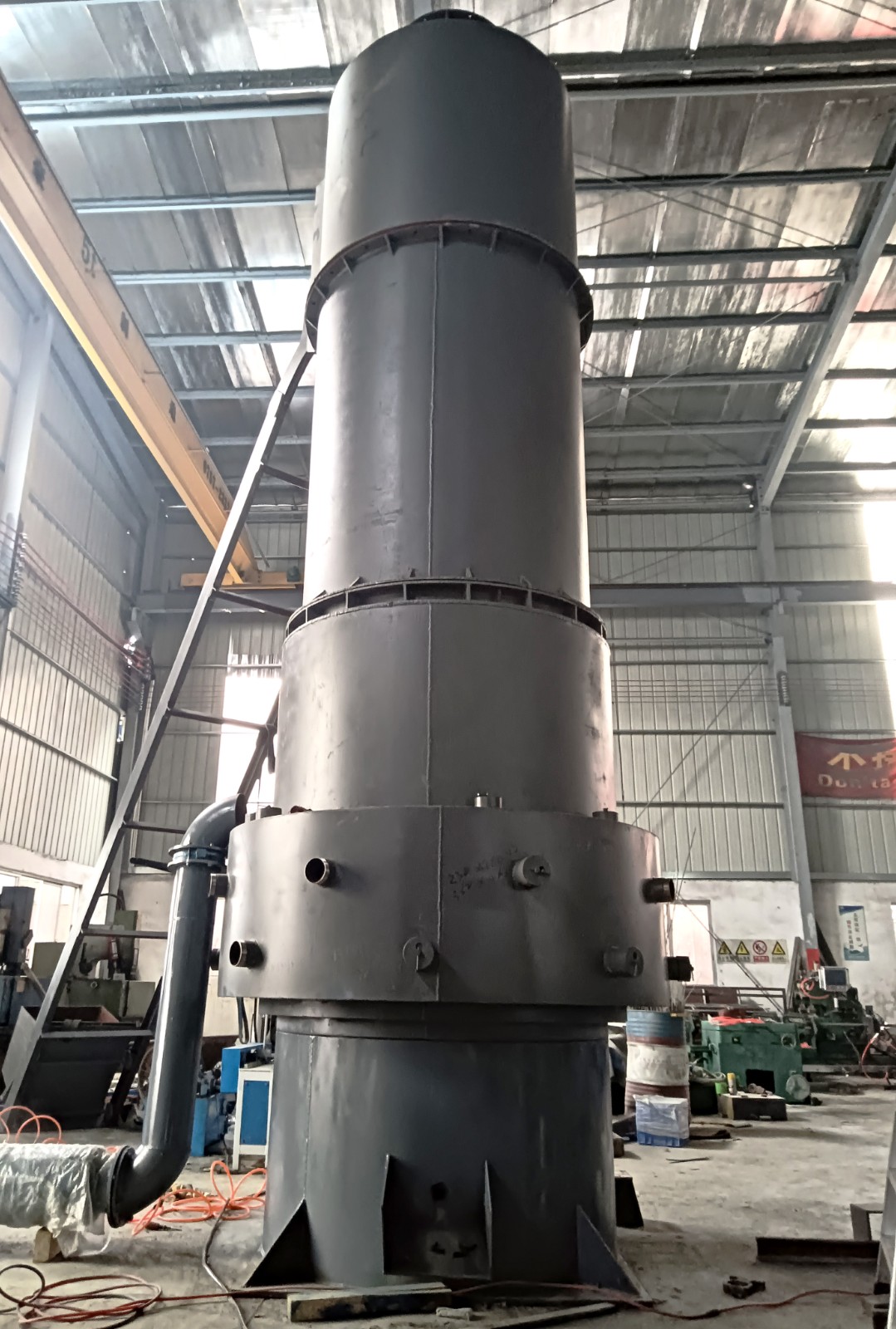
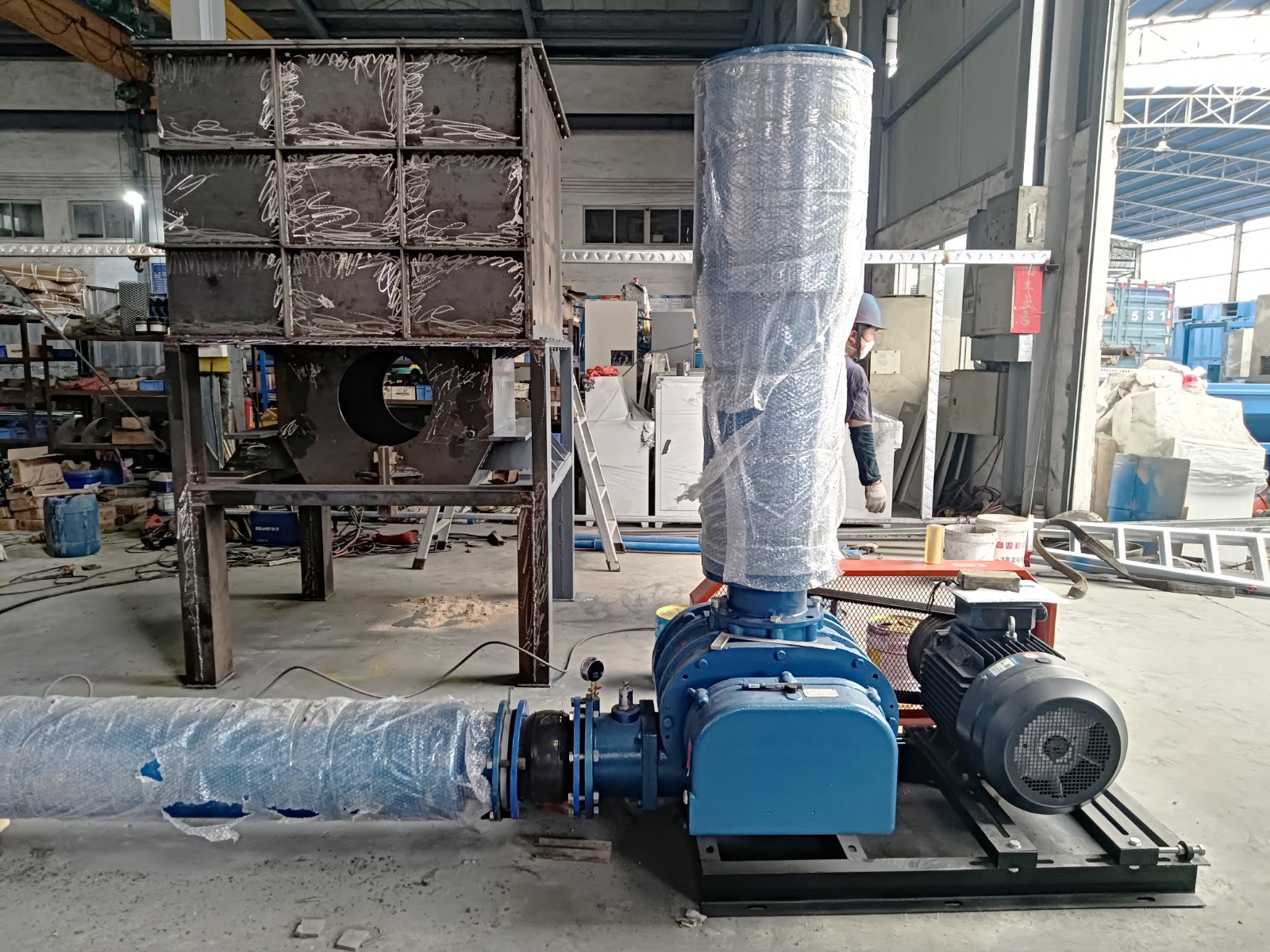
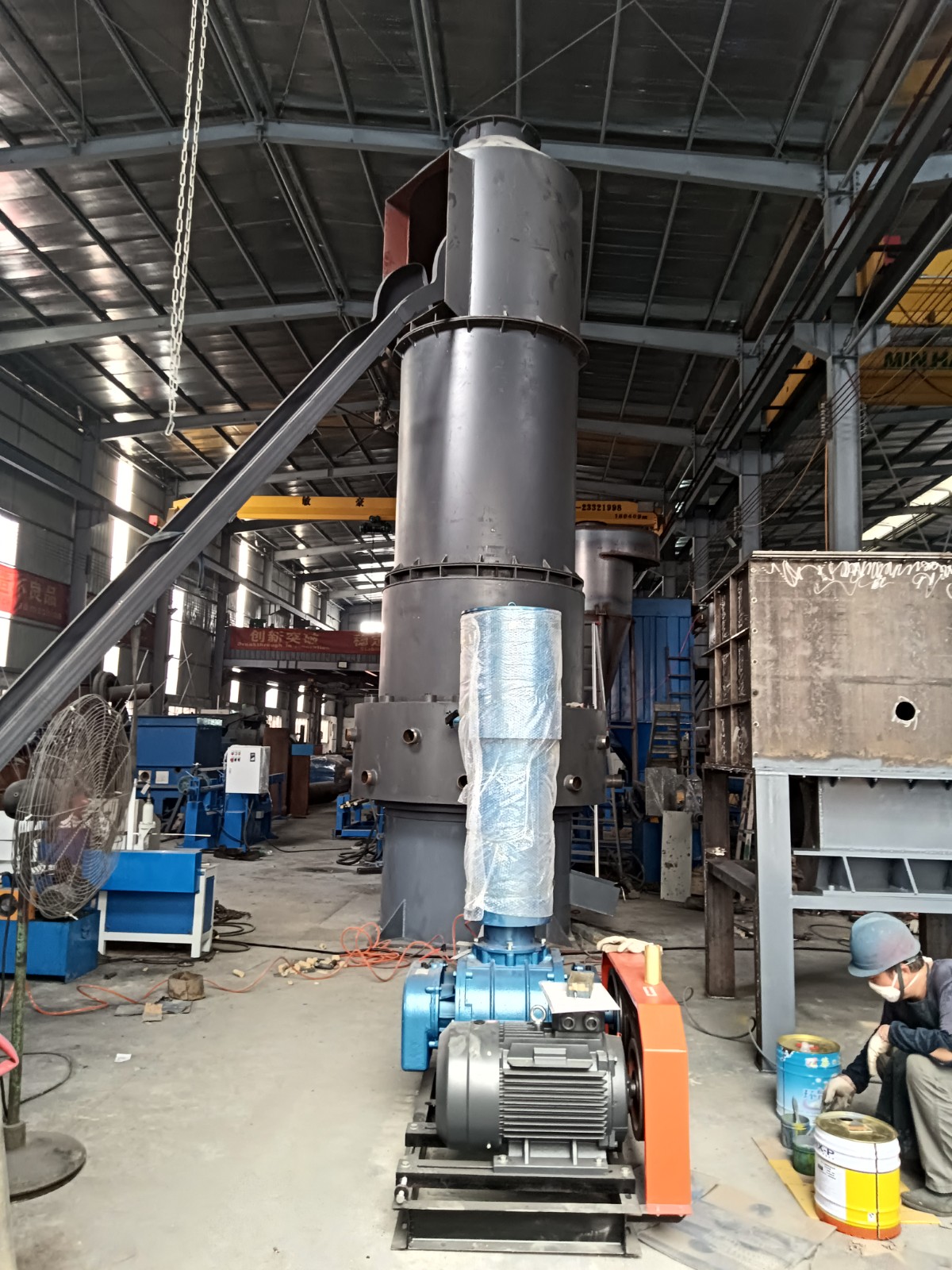
Which is more suitable for your factory: a cupola furnace or an electric furnace?
In today’s highly competitive metal casting industry, choosing the right melting furnace has become a critical decision for every metal casting plant. Whether you are building a new metal casting plant or upgrading an existing metal casting plant, the question remains the same: which solution is better in terms of cost, efficiency, and long-term return—cupola furnace or electric furnace? This is why foundry furnace selection is now one of the most discussed topics among engineers and investors.
When discussing foundry furnace selection, many professionals immediately compare cupola furnace and electric furnace systems. A cupola furnace is widely used in traditional metal casting plant operations due to its ability to deliver continuous melting performance. On the other hand, an electric furnace is known for its flexibility and cleaner operation. Therefore, understanding the strengths of both cupola furnace and electric furnace technologies is essential for optimizing any metal casting plant.
From a cost perspective, a cupola furnace is often considered a more cost-effective melting furnace. Many metal casting plant operators prefer a cupola furnace because fuel costs are relatively low, especially when compared to an electric furnace. In large-scale metal casting plant environments, using a cupola furnace as the primary melting furnace can significantly reduce operational expenses. This is why, in many foundry furnace selection cases, the cupola furnace remains a strong candidate.
However, an electric furnace also plays a key role in modern metal casting plant operations. For foundry furnace selection, companies that prioritize environmental compliance often lean toward an electric furnace. Unlike a cupola furnace, an electric furnace produces fewer emissions, making it suitable for regions with strict environmental regulations. As a result, more and more metal casting plant owners are including electric furnace solutions in their foundry furnace selection strategy.
Efficiency is another important factor in foundry furnace selection. A cupola furnace is designed for continuous operation, which makes it ideal for high-volume metal casting plant production. In contrast, an electric furnace offers better control over melting parameters, which can improve the quality of the final product. Therefore, both cupola furnace and electric furnace technologies have their own advantages when used as a melting furnace in a metal casting plant.
For large-scale production, a cupola furnace is often the preferred melting furnace due to its high output capability. Many traditional metal casting plant setups rely heavily on cupola furnace systems to maintain consistent production flow. During foundry furnace selection, decision-makers often evaluate whether a cupola furnace can meet their capacity requirements better than an electric furnace.
At the same time, an electric furnace is gaining popularity in smaller or more specialized metal casting plant operations. In foundry furnace selection scenarios where precision and flexibility are critical, an electric furnace may outperform a cupola furnace. This is especially true when the melting furnace must handle different alloys or smaller batch sizes in a metal casting plant.
Another key consideration in foundry furnace selection is maintenance. A cupola furnace typically requires regular lining maintenance, while an electric furnace may involve higher electrical component costs. For a metal casting plant, choosing between a cupola furnace and an electric furnace as the main melting furnace often depends on maintenance capabilities and long-term planning.
Energy consumption is also a major topic in foundry furnace selection. A cupola furnace uses coke as fuel, making it a traditional melting furnace option for many metal casting plant operators. Meanwhile, an electric furnace relies on electricity, which can be more expensive depending on local energy prices. This is why some metal casting plant owners prefer a hybrid approach, combining cupola furnace and electric furnace systems to optimize their melting furnace operations.
In modern foundry furnace selection strategies, it is not uncommon to see both cupola furnace and electric furnace systems installed within the same metal casting plant. By doing so, the metal casting plant can benefit from the cost efficiency of a cupola furnace and the flexibility of an electric furnace. This combination allows the melting furnace system to adapt to different production needs.
Technology advancements have also improved both cupola furnace and electric furnace performance. Today’s cupola furnace systems are more efficient and environmentally friendly than before, making them a competitive melting furnace option for any metal casting plant. Similarly, modern electric furnace designs have enhanced energy efficiency, further influencing foundry furnace selection decisions.
Ultimately, the choice between a cupola furnace and an electric furnace depends on your specific metal casting plant requirements. During foundry furnace selection, factors such as production scale, budget, environmental regulations, and product quality must all be considered. A cupola furnace may be the best melting furnace for high-volume production, while an electric furnace may be ideal for precision casting in a metal casting plant.
In conclusion, both cupola furnace and electric furnace technologies have their unique advantages in the context of foundry furnace selection. For any metal casting plant, selecting the right melting furnace is not just about choosing equipment—it is about building a sustainable and profitable production system. By carefully evaluating the benefits of a cupola furnace and an electric furnace, you can make the best decision for your metal casting plant and ensure long-term success.