Why Are Large Copper Processing Plants Upgrading to Copper Rod Continuous Casting and Rolling Production Lines?
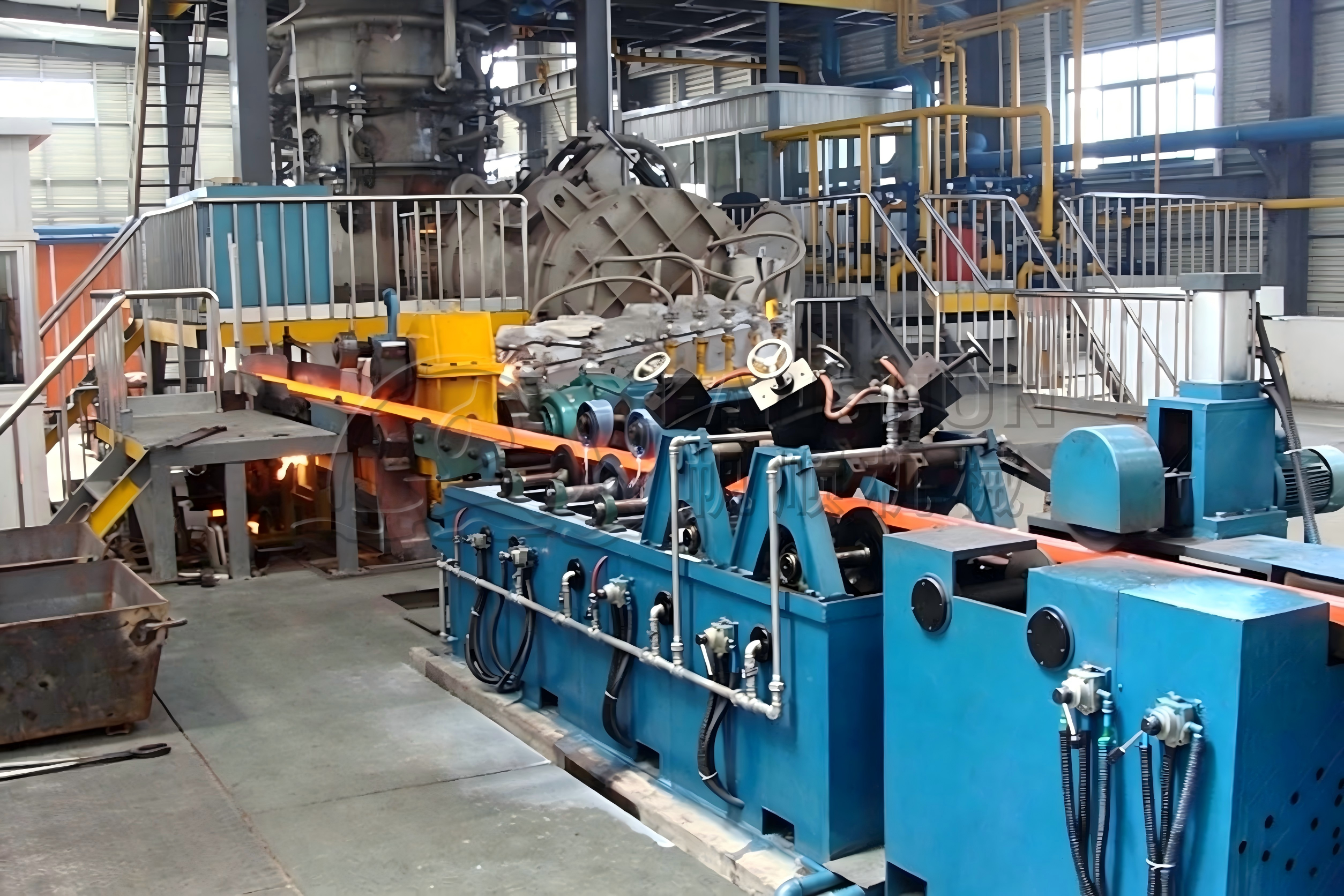
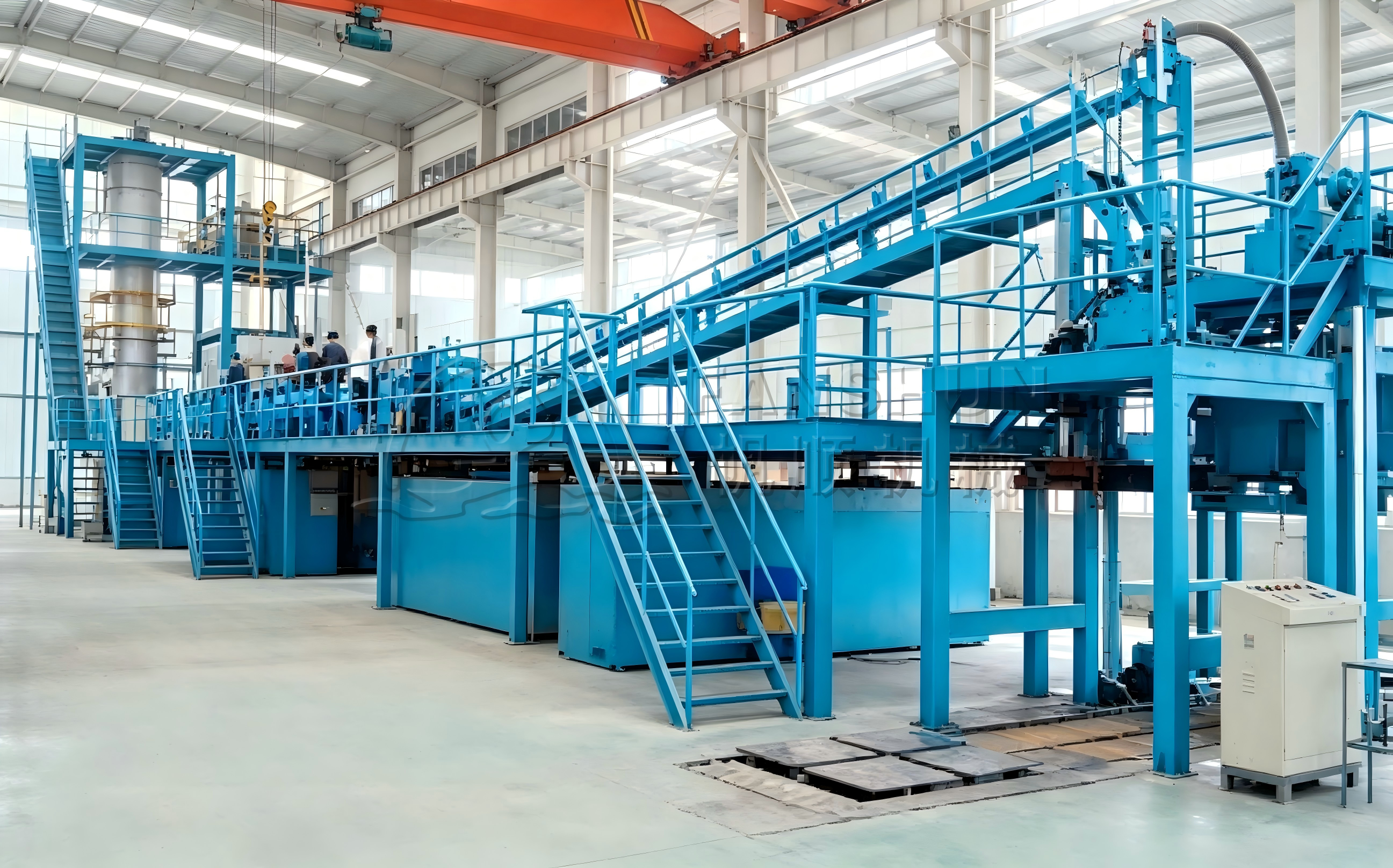
Global copper manufacturers are accelerating investments in advanced continuous casting and rolling technologies as demand for high-conductivity copper products rises across the power, automotive, renewable energy, and electronics industries. In recent years, the Copper Rod CCR Line has become one of the most important technologies for large-scale copper processing facilities seeking higher efficiency, lower production costs, and improved product quality. Industry analysts note that the Copper Continuous Casting Machine is now central to modern copper manufacturing strategies, while the Oxygen-Free Copper Rod Production Line is increasingly preferred for high-end applications requiring exceptional conductivity and purity. At the same time, the Copper Rod Production Line and the Copper Rod Rolling Mill are helping manufacturers improve automation and reduce energy consumption.
Many large plants in Asia, Europe, and the Middle East are replacing outdated batch production equipment with integrated systems built around the Copper Rod CCR Line. Compared with traditional production methods, the Copper Rod CCR Line offers continuous operation, stable casting performance, reduced labor intensity, and lower material waste. Engineers explain that the Copper Continuous Casting Machine enables precise temperature control and stable molten copper flow, which significantly improves the consistency of finished rods. Because of these advantages, the Oxygen-Free Copper Rod Production Line has become a strategic investment for cable manufacturers and electrical component suppliers.
According to market researchers, demand for advanced Copper Rod Production Line systems is growing rapidly because manufacturers are under pressure to meet stricter energy-efficiency standards. The Copper Rod Rolling Mill also plays a critical role in maintaining dimensional accuracy and surface quality during high-speed production. Modern plants are integrating intelligent sensors, digital monitoring systems, and AI-assisted process control into the Copper Rod CCR Line to improve productivity and reduce downtime.
The renewable energy industry is another major factor driving investment in the Copper Continuous Casting Machine sector. Solar power installations, wind farms, electric vehicles, and charging infrastructure require massive amounts of high-quality copper wire. As a result, many suppliers are expanding their Oxygen-Free Copper Rod Production Line capacity to serve premium electrical markets. The Copper Rod Production Line is also becoming more flexible, allowing producers to manufacture different rod diameters and alloys with minimal adjustment time. In addition, the Copper Rod Rolling Mill is being upgraded with advanced cooling and lubrication systems to ensure stable operation at higher speeds.
Experts say the Copper Rod CCR Line has become a symbol of modernization in the copper processing industry. Large-scale factories using the Copper Continuous Casting Machine can achieve better production efficiency while maintaining environmental compliance. The Oxygen-Free Copper Rod Production Line is particularly attractive to manufacturers serving telecommunications, aerospace, and precision electronics sectors, where copper purity directly affects performance. Meanwhile, the Copper Rod Production Line provides a complete integrated solution from melting to rolling, and the Copper Rod Rolling Mill improves the mechanical properties of finished copper rods.
Several equipment manufacturers have introduced next-generation Copper Rod CCR Line systems featuring smart automation, remote diagnostics, and energy-saving induction furnaces. These developments are helping the Copper Continuous Casting Machine industry achieve higher levels of reliability and sustainability. Producers investing in the Oxygen-Free Copper Rod Production Line are also focusing on lower oxygen content, smoother surfaces, and higher conductivity levels to satisfy global export standards. In many cases, the Copper Rod Production Line is now designed with modular configurations that allow future expansion. At the same time, the Copper Rod Rolling Mill is benefiting from stronger rollers, more accurate speed synchronization, and predictive maintenance technology.
Industry executives believe the transition toward the Copper Rod CCR Line will continue for the next decade as infrastructure development accelerates worldwide. The Copper Continuous Casting Machine is expected to remain one of the core technologies supporting the expansion of power transmission systems and electric mobility projects. In addition, the Oxygen-Free Copper Rod Production Line is becoming a key competitive advantage for suppliers targeting premium international markets. Analysts also predict that the Copper Rod Production Line will become more digitalized, while the Copper Rod Rolling Mill will increasingly adopt intelligent automation.
Environmental considerations are another important reason behind the adoption of the Copper Rod CCR Line. Traditional copper processing methods often consume more energy and generate higher levels of emissions. By contrast, the Copper Continuous Casting Machine can significantly reduce thermal losses and improve metal recovery rates. The Oxygen-Free Copper Rod Production Line further supports sustainability goals because it minimizes oxidation during production. Modern Copper Rod Production Line systems are also designed to reduce water consumption and improve recycling efficiency. Additionally, the Copper Rod Rolling Mill contributes to lower operational costs by enhancing rolling precision and minimizing product defects.
Manufacturers across the world now see the Copper Rod CCR Line as essential for maintaining competitiveness in a rapidly evolving market. The Copper Continuous Casting Machine allows factories to increase throughput without sacrificing quality, while the Oxygen-Free Copper Rod Production Line supports the growing demand for advanced electrical materials. The Copper Rod Production Line is helping companies shorten delivery times and improve operational flexibility. Furthermore, the Copper Rod Rolling Mill ensures consistent product performance for demanding industrial applications.
As global copper consumption continues to rise, investment in the Copper Rod CCR Line is expected to reach record levels. The Copper Continuous Casting Machine sector is attracting significant attention from engineering companies and industrial investors. The Oxygen-Free Copper Rod Production Line is likely to remain a major growth area because of increasing demand for high-purity copper conductors. At the same time, the Copper Rod Production Line and the Copper Rod Rolling Mill will continue to evolve through automation, energy optimization, and smart manufacturing technologies.
The rapid modernization of copper factories has encouraged suppliers to focus heavily on advanced Copper Rod CCR Line technology. Equipment companies report that every new Copper Rod CCR Line project now emphasizes automation, energy savings, and stable production quality. In many industrial regions, the Copper Rod CCR Line is replacing conventional casting equipment because the Copper Rod CCR Line can operate continuously for long production cycles. Investors also recognize that a modern Copper Rod CCR Line improves operational efficiency and reduces maintenance expenses. For exporters targeting premium electrical markets, installing a Copper Rod CCR Line is now considered a long-term strategic decision. Technical engineers explain that the Copper Rod CCR Line provides excellent casting stability, while the Copper Rod CCR Line also improves copper surface quality and conductivity consistency. As global wire and cable demand increases, the Copper Rod CCR Line continues to gain popularity among large manufacturers.
At the same time, the Copper Rod Rolling Mill is becoming one of the most important systems in modern copper processing plants. A high-speed Copper Rod Rolling Mill can significantly improve rod uniformity and mechanical strength. Manufacturers upgrading their facilities often prioritize a new Copper Rod Rolling Mill because the Copper Rod Rolling Mill supports higher production capacity and smoother operation. Industry specialists note that the Copper Rod Rolling Mill directly influences final product precision and surface quality. In addition, the Copper Rod Rolling Mill helps reduce waste during continuous production. Advanced automation systems integrated into the Copper Rod Rolling Mill also improve process monitoring and predictive maintenance. Many global copper producers believe the Copper Rod Rolling Mill will remain essential as demand for high-performance copper products grows. With digital control technology, the Copper Rod Rolling Mill can achieve better synchronization and energy efficiency. Several engineering companies are now promoting intelligent Copper Rod Rolling Mill solutions designed for next-generation smart factories.
The combination of the Copper Rod CCR Line and the Copper Rod Rolling Mill is transforming copper manufacturing worldwide. A fully integrated Copper Rod CCR Line connected directly to a modern Copper Rod Rolling Mill allows producers to increase productivity while reducing operating costs. As competition intensifies, more factories are expected to invest in both the Copper Rod CCR Line and the Copper Rod Rolling Mill to strengthen their position in international markets.