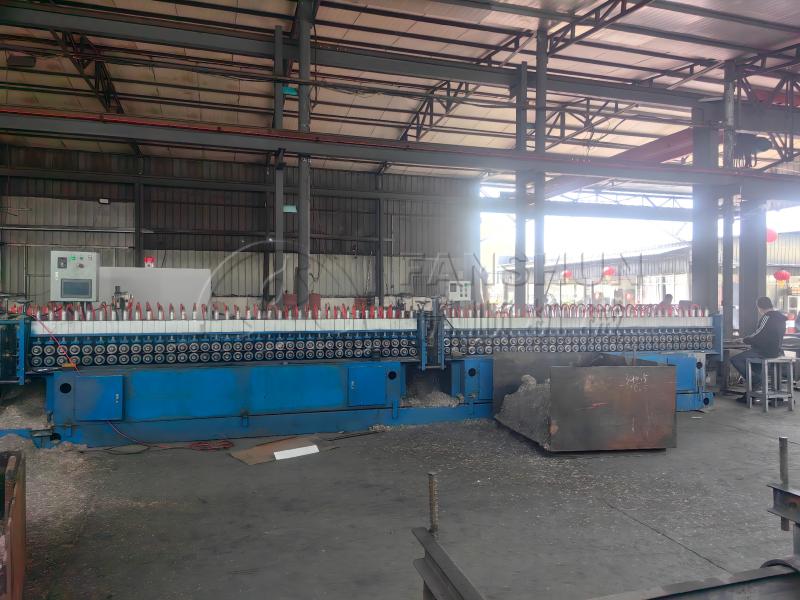
Can a Rolling Drawing Bench Really Achieve Drawing and Surface Finishing in a Single Pass? How Much Can It Improve Processing Efficiency?
In today’s highly competitive metal processing industry, manufacturers are constantly searching for technologies that can reduce costs, improve quality, and increase productivity. One question that is being asked more frequently is: Can a Rolling Drawing Bench really achieve drawing and surface finishing in a single pass? And how much can it improve processing efficiency?
The answer is increasingly pointing toward yes, as innovations in the Rolling Drawing Bench, Metal Rod Drawing Machine, Finishing Machine, Bar drawing machine, and Bar Polishing Machine sectors continue to evolve.
A New Standard in Metal Processing
Traditionally, metal bar production required multiple stages. A Bar drawing machine would handle dimensional reduction, followed by a Bar Polishing Machine or separate Finishing Machine to improve surface quality. This multi-step workflow not only consumed time but also increased labor costs and material handling risks.
However, the modern Rolling Drawing Bench is designed to combine these steps. By integrating rolling elements into the Metal Rod Drawing Machine, manufacturers can now achieve both deformation and surface finishing simultaneously. This effectively transforms the conventional Bar drawing machine into a hybrid Finishing Machine and Bar Polishing Machine.
How the Technology Works
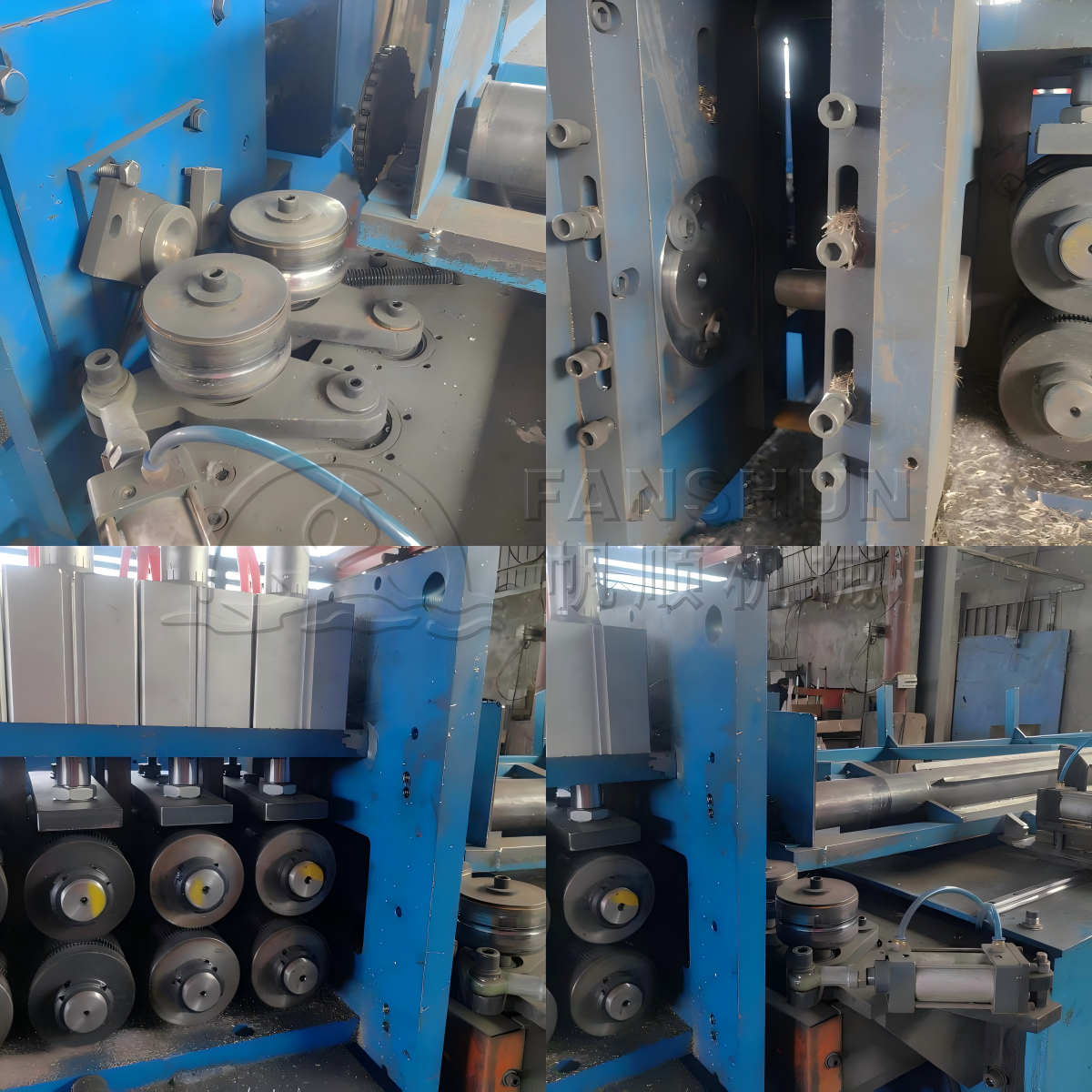
The Rolling Drawing Bench utilizes multiple rollers that apply uniform pressure during the drawing process. Unlike a traditional Metal Rod Drawing Machine, which primarily focuses on reducing diameter, the Rolling Drawing Bench enhances surface smoothness at the same time.
As the material passes through the Bar drawing machine, the rollers act like a built-in Bar Polishing Machine, compressing surface irregularities. This means the Finishing Machine function is embedded directly into the Rolling Drawing Bench, eliminating the need for secondary processing.
Because of this integration, the Metal Rod Drawing Machine becomes more than just a forming tool—it becomes a complete Finishing Machine and Bar Polishing Machine solution.
Efficiency Gains: What the Industry Is Seeing
One of the biggest advantages of adopting a Rolling Drawing Bench is the significant boost in efficiency. A traditional setup involving a Bar drawing machine and a separate Bar Polishing Machine may require multiple passes. In contrast, a Rolling Drawing Bench completes the job in one pass.
Manufacturers report that using a Metal Rod Drawing Machine with rolling functionality can reduce processing time by up to 40–60%. This is because the Finishing Machine stage is no longer separate. The Bar drawing machine and Bar Polishing Machine processes are unified within the Rolling Drawing Bench.
Additionally, fewer machines mean lower maintenance costs. Instead of maintaining a Bar drawing machine, a Finishing Machine, and a Bar Polishing Machine, companies can rely on a single Rolling Drawing Bench or advanced Metal Rod Drawing Machine.
Surface Quality Improvements
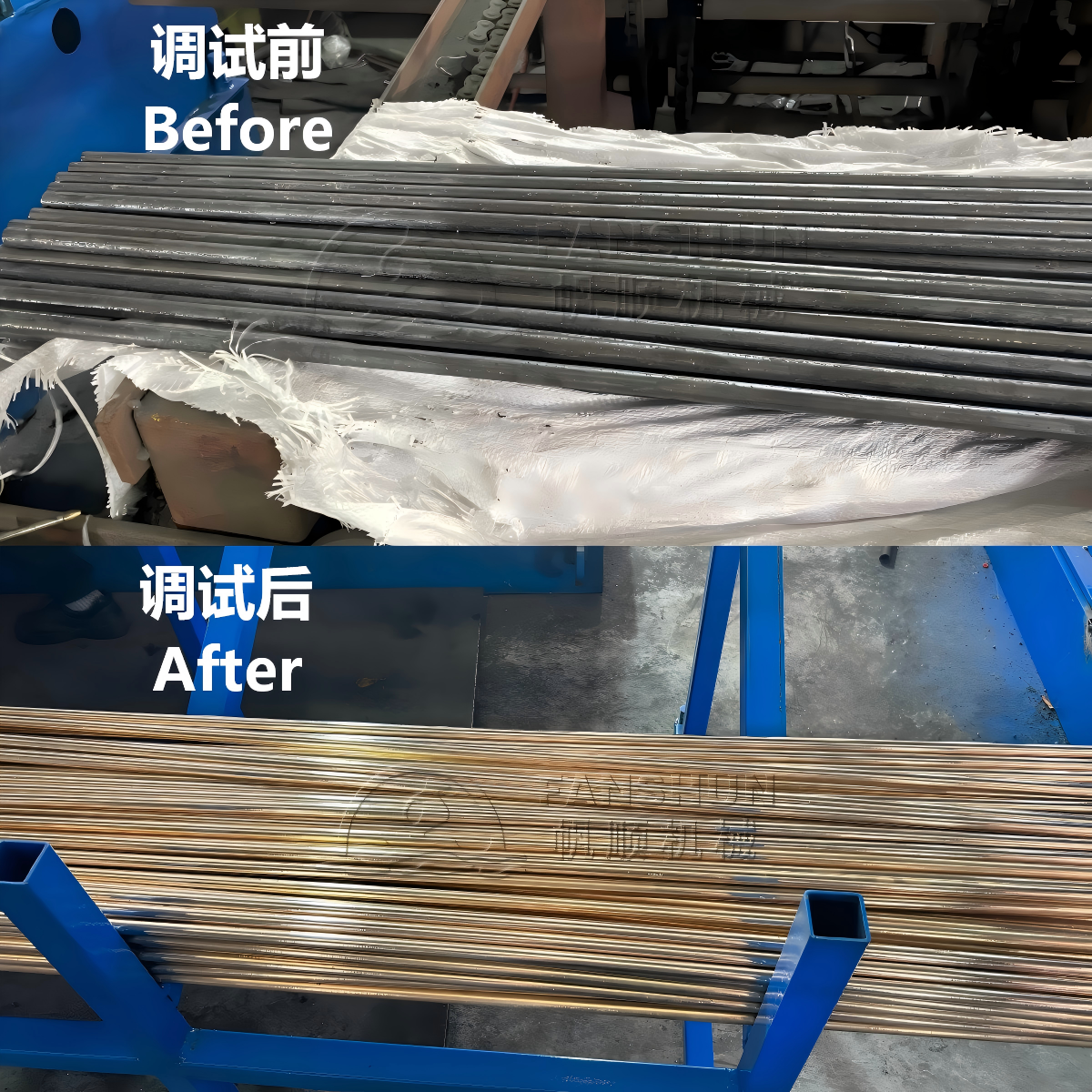
Surface quality is another critical factor. A Bar Polishing Machine is traditionally required to achieve high smoothness. But with a Rolling Drawing Bench, the rolling action ensures that the material exits the Metal Rod Drawing Machine with a near mirror-like finish.
This eliminates the need for a separate Finishing Machine, as the Bar drawing machine itself now performs polishing functions. In many cases, the Rolling Drawing Bench delivers results comparable to a dedicated Bar Polishing Machine, making it a preferred choice in precision industries.
Material Versatility
Modern Rolling Drawing Bench systems are capable of processing a wide range of materials. Whether using a Metal Rod Drawing Machine for copper, aluminum, or alloy bars, the integrated Finishing Machine and Bar Polishing Machine capabilities ensure consistent results.
This flexibility allows manufacturers to replace multiple setups—such as separate Bar drawing machine and Bar Polishing Machine lines—with a single Rolling Drawing Bench solution.
Cost Reduction and ROI
From a financial perspective, the Rolling Drawing Bench offers strong return on investment. By eliminating the need for additional Finishing Machine and Bar Polishing Machine units, companies reduce capital expenditure.
Operational costs also drop. A single Metal Rod Drawing Machine performing the roles of a Bar drawing machine, Finishing Machine, and Bar Polishing Machine requires fewer operators and less floor space.
Energy consumption is another factor. Running one Rolling Drawing Bench instead of multiple machines—such as a Bar drawing machine and a Bar Polishing Machine—can significantly reduce power usage.
Industry Adoption Trends
The adoption of the Rolling Drawing Bench is accelerating globally. Manufacturers upgrading their Metal Rod Drawing Machine lines are increasingly choosing integrated solutions that combine Bar drawing machine, Finishing Machine, and Bar Polishing Machine functions.
In sectors such as automotive, aerospace, and precision engineering, the demand for high-quality surface finishes has made the Rolling Drawing Bench an essential piece of equipment. Many companies now consider it a replacement for both traditional Bar drawing machine and standalone Bar Polishing Machine systems.
Challenges and Considerations
Despite its advantages, implementing a Rolling Drawing Bench requires careful planning. Not all Metal Rod Drawing Machine setups can be easily upgraded. Companies must evaluate whether their current Bar drawing machine infrastructure can integrate with a Finishing Machine or Bar Polishing Machine function.
Operator training is also important. While the Rolling Drawing Bench simplifies the process, it still requires understanding of both Bar drawing machine mechanics and Finishing Machine principles.
Conclusion
So, can a Rolling Drawing Bench really achieve drawing and surface finishing in a single pass? The evidence strongly suggests that it can. By combining the functions of a Metal Rod Drawing Machine, Bar drawing machine, Finishing Machine, and Bar Polishing Machine, this technology represents a major leap forward in metal processing.
In terms of efficiency, the gains are substantial. Reduced processing time, lower costs, improved surface quality, and simplified workflows make the Rolling Drawing Bench a compelling investment.
As the industry continues to evolve, the Rolling Drawing Bench is no longer just an innovation—it is quickly becoming the new standard, replacing traditional Metal Rod Drawing Machine, Bar drawing machine, Finishing Machine, and Bar Polishing Machine setups with a single, powerful solution.